A gift-led shop can have footfall, loyal customers and great taste - and still leave sales on the table if the range feels too narrow. That is exactly why a case study retail wholesale partnership matters. When the right retailer meets the right maker, the result is not just more stock on shelves. It is better basket building, stronger seasonal selling and a product mix customers come back for.
For a wellness and ritual-led retail business, wholesale is not about filling space with random extras. It is about adding products that make sense together. A candle next to a crystal. A reed diffuser near a bath salt set. A beard oil that turns a gifting display into something broader and more useful. When the partnership is well chosen, every shelf starts to work harder.
What this case study retail wholesale partnership shows
Imagine an independent lifestyle retailer with a strong gifting customer base. Shoppers come in for birthdays, housewarmings, seasonal presents and small self-care treats. They respond well to artisan products, but they do not want to spend time piecing together ten separate items from ten separate suppliers. They want a curated display that feels complete.
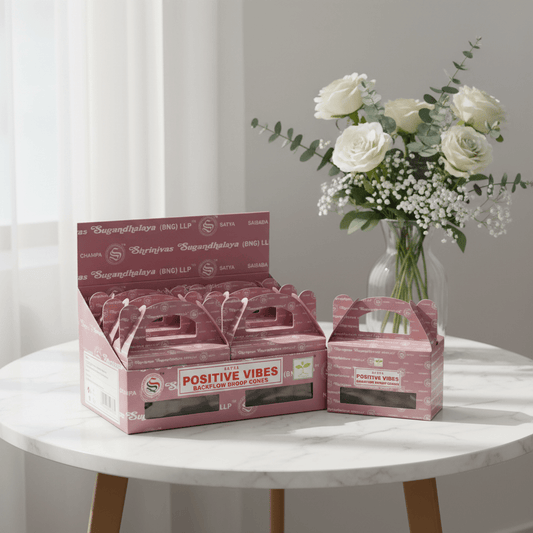
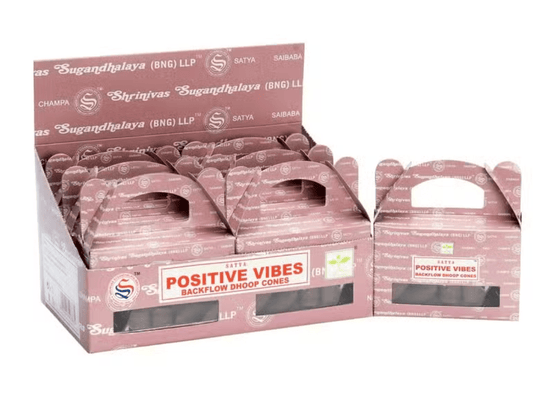
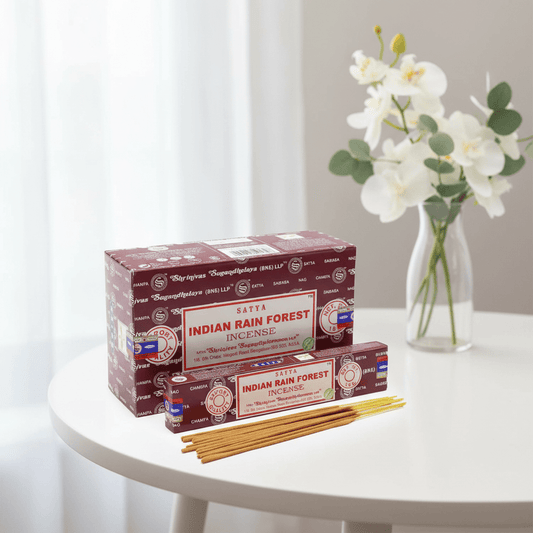
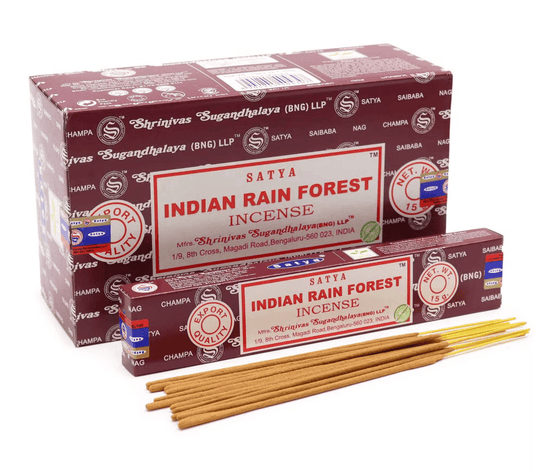
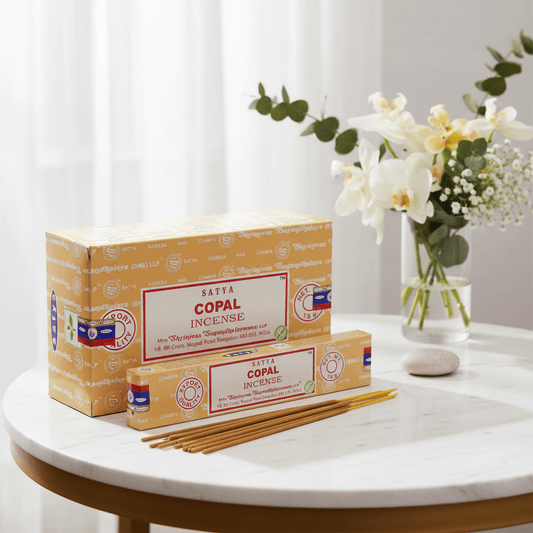
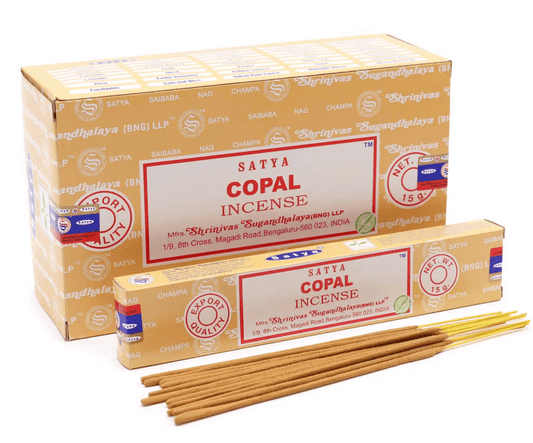
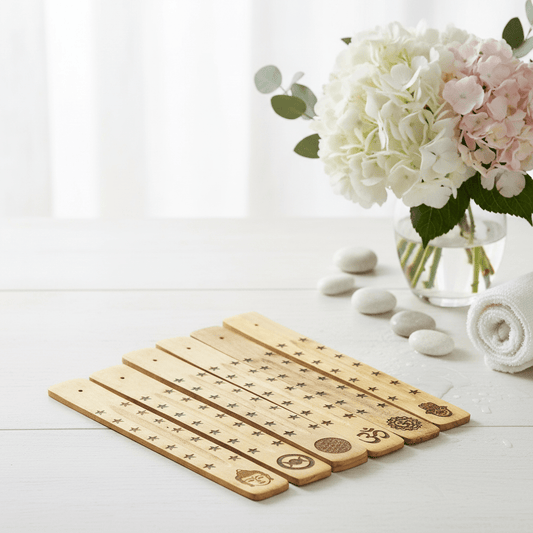
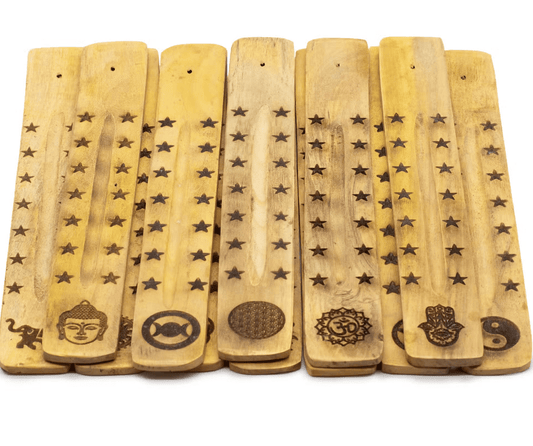
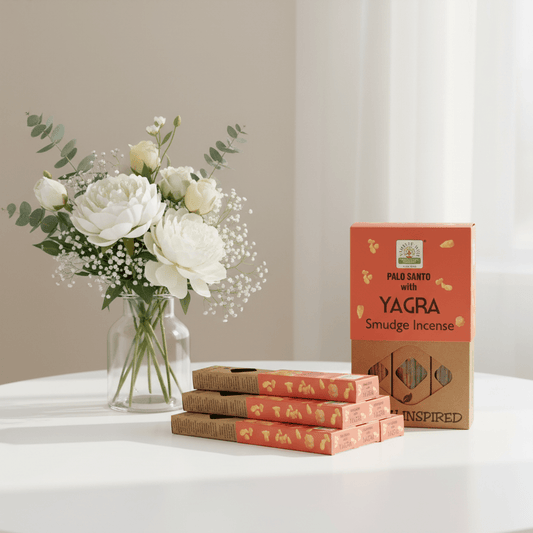
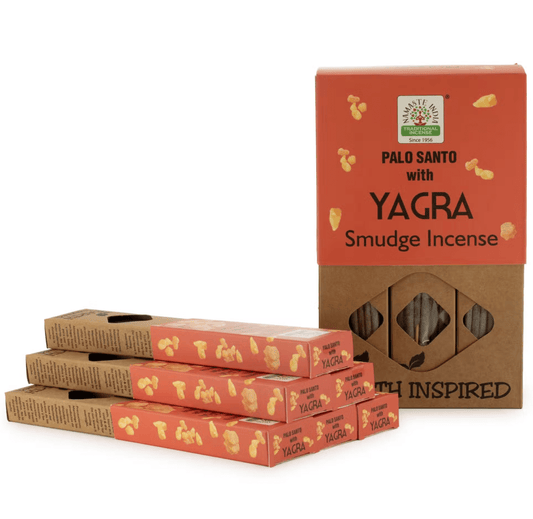
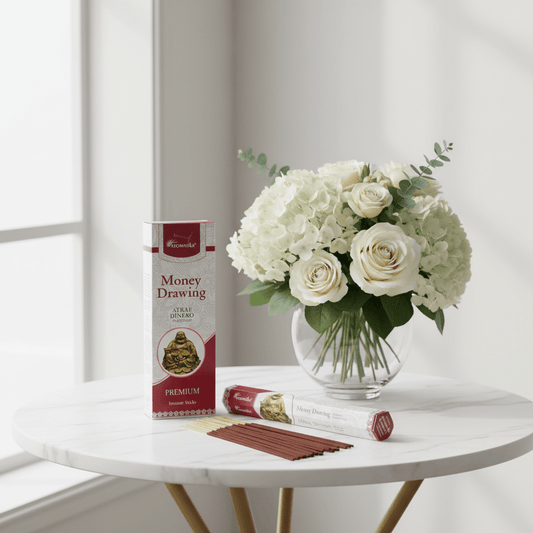
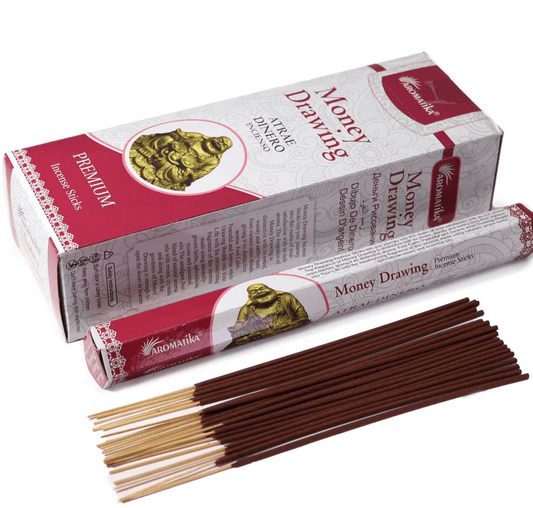
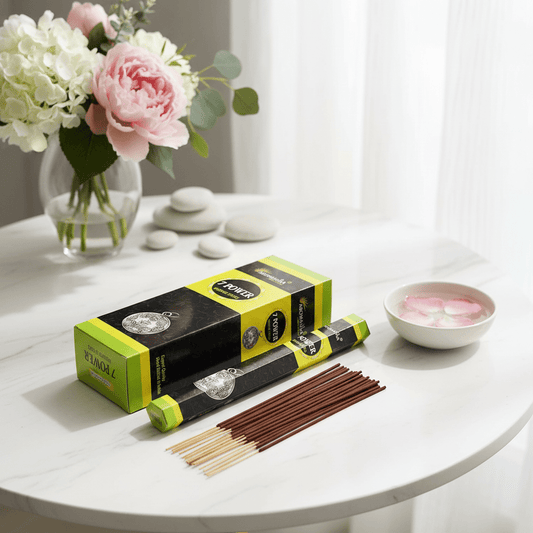
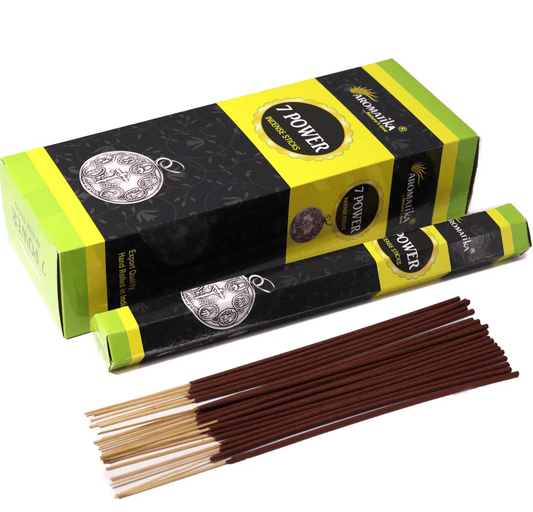
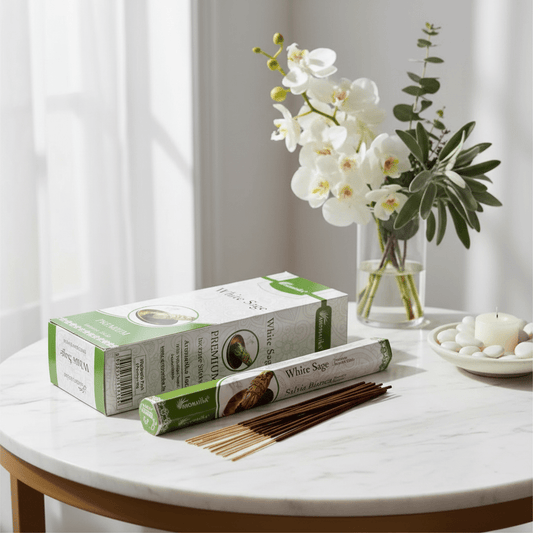
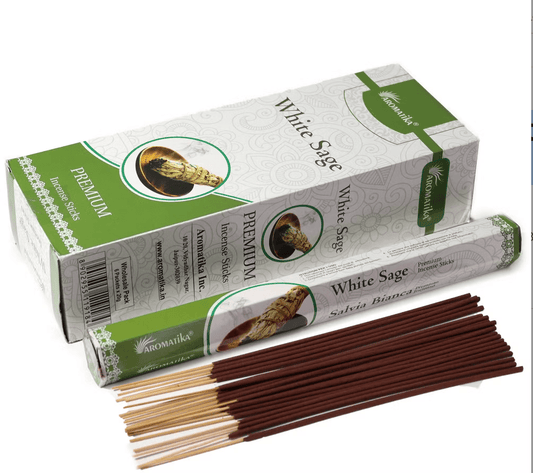
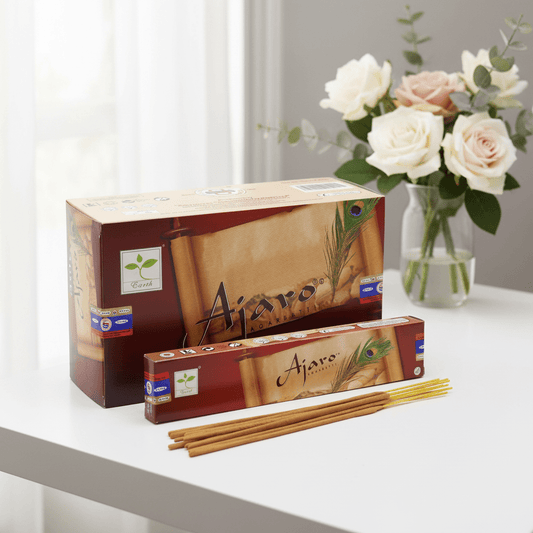
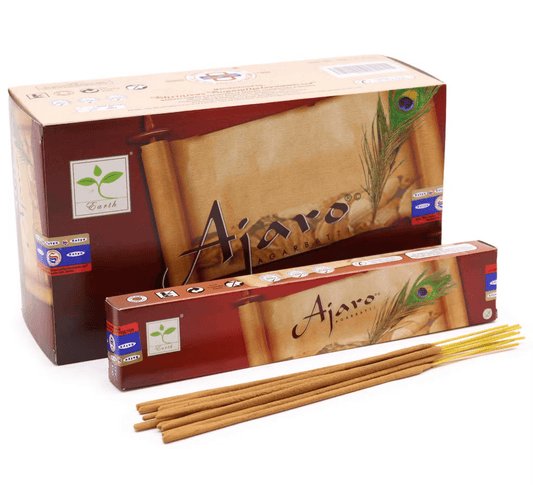
The wholesale partner steps in with a broad but coherent catalogue: handcrafted candles in different wax types, soaps, room sprays, reed diffusers, bath products, skincare, incense, crystals and ritual accessories. Straight away, the retailer gains something valuable - variety without losing identity.
That is the first lesson. A good wholesale partnership is not built on volume alone. It is built on fit. If the products share a mood, a purpose and a gifting logic, customers buy across categories far more naturally.
The starting problem: good traffic, uneven baskets
Before the partnership, the retailer was selling well in a few proven lines. Candles moved during holidays. Bath products worked as gifts. A handful of wellness accessories performed steadily. But the average basket was inconsistent.
Some shoppers bought one item and left. Others wanted to build a gift set but could not find enough matching products in one place. Staff had to improvise recommendations instead of guiding customers through a clear product story.
This is common in boutique retail. A store may know its customer perfectly well, yet still miss sales because the assortment is too shallow in key moments. Mother’s Day, teacher gifts, wedding favours, new home presents and last-minute self-care treats all demand range depth. If the display stops at one candle and one soap, the opportunity stops there too.
Why the partnership worked
The strongest retail wholesale partnerships solve more than one issue at once. In this case, the product range did three jobs.
First, it increased giftability. Products could be paired by scent family, use case or ritual mood. A calming candle could sit with bath salts and a room spray. A grounding display could include incense, crystals and a diffuser blend. Customers no longer had to imagine the bundle. They could see it.
Second, it improved merchandising flexibility. The retailer could build shelves by occasion, by room, by self-care ritual or by product type. That matters because not every customer shops the same way. Some browse by need, others by feeling, and others by budget.
Third, it created repeat-purchase logic. Candles and soaps may bring the customer in, but diffusers, skincare and small ritual tools give them a reason to return. One-off gifting is useful. Repeat personal buying is what gives a partnership staying power.
Range planning made the difference
A wholesale catalogue can be large and still underperform if the opening order is not planned properly. The winning move here was not stocking everything. It was choosing a balanced entry range.
The retailer focused on hero products first: candles, soaps, reed diffusers and a concise selection of crystals and incense. These categories carried the strongest visual appeal and the clearest gifting potential. From there, smaller add-ons such as lip balm, bath bombs and room sprays helped lift basket value.
This mattered because customers like choice, but they do not like clutter. Too many similar scents or too many spiritual items introduced too quickly can muddy the display. A cleaner launch often sells faster because the decision feels easier.
There is a trade-off here. A tighter range creates clarity, but a broader one can attract niche interest. The right answer depends on the shop’s customer base, available shelf space and seasonal timing. A tourist-led area may need faster gifting cues. A wellness-led local shop may support deeper ritual categories from the outset.
Merchandising turned products into stories
This is where many wholesale relationships either click or stall. Products rarely sell at their best when they are simply placed in a cabinet and left alone. They need context.
The retailer grouped items into themes customers could understand at a glance: sleep and unwind, home refresh, energy cleansing, thoughtful gifts and everyday self-care. That made the store feel curated rather than crowded.
It also helped staff sell with confidence. Instead of naming isolated products, they could recommend combinations. A customer shopping for a hostess gift might be shown an olive wax candle, a reed diffuser and a crystal accent. Someone building a personal evening ritual might leave with incense, bath salts and a calming room spray.
That shift from single-item selling to ritual-led or gift-led selling is where the wholesale partnership started producing better results. The products were not competing for attention. They were supporting one another.
Operations matter more than most people expect
A partnership can look perfect on paper and still fail if fulfilment is slow, communication is patchy or restocking is awkward. Retailers need reliability, especially around seasonal peaks.
Fast delivery, familiar payment options and clear contact access make a real commercial difference. They reduce hesitation at ordering stage and help retailers move quickly when a line starts selling through. If bestsellers cannot be replenished in time, momentum disappears.
This is especially relevant for Cyprus-based retail. A local partner with practical delivery coverage can help shops respond faster during busy periods without overcommitting to excessive opening stock. For many independents, that balance matters. They want enough depth to trade confidently, but not so much that cash gets trapped in slow lines.
Auras Workshop supports this model well because it combines maker credibility with a broad wholesale offer and straightforward buying through https://auracyprus.com. That blend is useful for stockists who want artisan feel without adding unnecessary buying friction.
What retailers should take from this case study retail wholesale partnership
The clear takeaway is that wholesale performs best when it strengthens the retailer’s existing identity rather than changing it. If your customer already shops for home fragrance, gifts, body care or ritual-adjacent products, the right wholesale assortment can widen the basket without confusing the brand.
It also shows that category adjacency is powerful. Candles do not just sell candles. They can sell diffusers, sprays, soaps and gift sets around them. Crystals do not just serve spiritual shoppers. They can add visual interest and gifting appeal for customers who simply want something meaningful and decorative.
And perhaps most importantly, a good partnership gives you room to trade by season. Spring gifting, summer home scent, autumn cosiness and winter festive displays all need different heroes. A partner with range breadth makes those changes easier to manage.
Where retailers can go wrong
There are a few common missteps. One is buying too wide too early. Another is choosing products that look attractive individually but do not connect well on shelf. A third is treating wholesale as procurement only, when it is really part assortment planning and part customer experience design.
It also helps to be realistic about your customer. Not every location wants deep spiritual inventory. Not every shop needs beard oil, chakra sets and bath oils at the same time. The best partnerships leave room to test, learn and refine.
That is why the smartest wholesale buying is usually phased. Start with lines that are easy to understand, easy to gift and easy to display. Then build into more specialised categories once demand is visible.
A retail shelf should feel like an invitation, not a warehouse. When a wholesale partner helps create that feeling, customers stay longer, buy more thoughtfully and often buy more than they planned.
The real value of a strong retail wholesale partnership is simple: it lets a shop become more useful without becoming less distinctive. For boutiques selling comfort, ritual and giftable moments, that is not a small advantage. It is often the reason a good season turns into a great one.