Selenite
Luminous gypsum named after the moon – a cleansing stone in crystal lore that must be kept away from water.
Also known as: Sand rose, selenite rose
Rose-shaped clusters of gypsum or baryte crystals that grow in desert sand – nature's stone flowers.
Zodiac, planet and element links come from crystal-lore traditions and vary between authors. Birthstone months follow the American Gem Society list.
Traditional and metaphysical properties are shared for cultural and educational interest. Crystals are not a substitute for medical advice or treatment.
Desert Rose isn't in our shop right now – new stock arrives regularly. In the meantime, explore similar crystals we have available or browse our full crystal collection.
Luminous gypsum named after the moon – a cleansing stone in crystal lore that must be kept away from water.

One of Earth's most common minerals, found in every colour and famous for its double refraction.

Earthy calcium carbonate that forms star-shaped clusters and the shimmer of pearls and shells.

Nodules cracked and filled with golden calcite, formed millions of years ago – the 'dragon stone' of crysta...
Rituals & pairings
An evening wind-down ritual to slow the mind before rest.
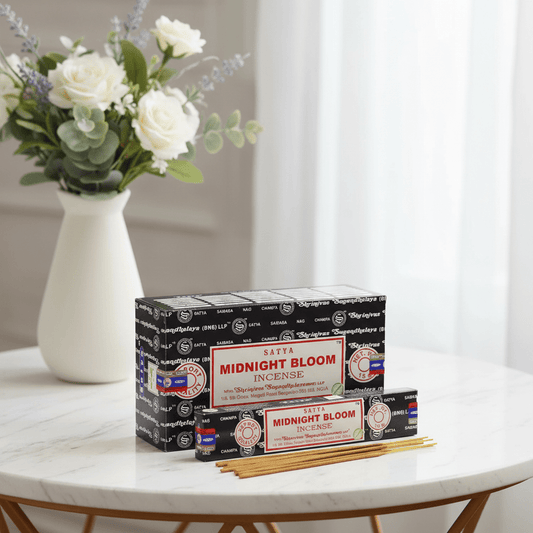
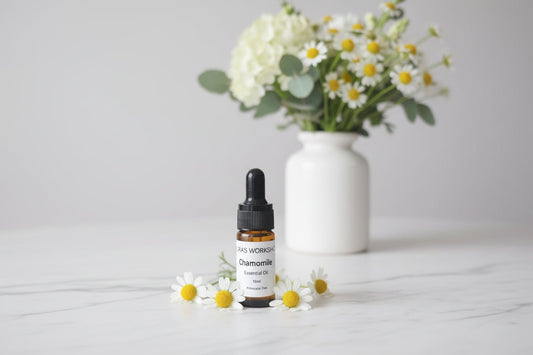
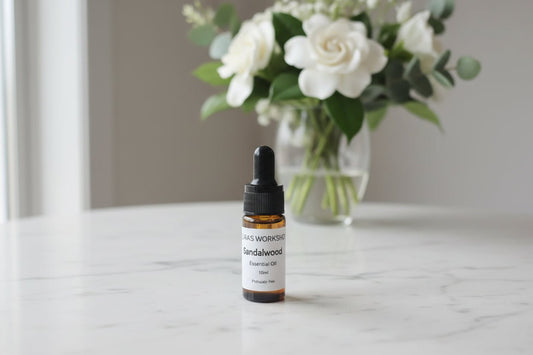
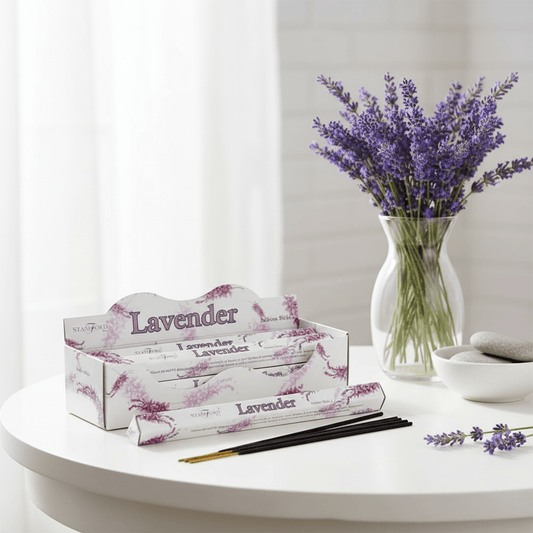
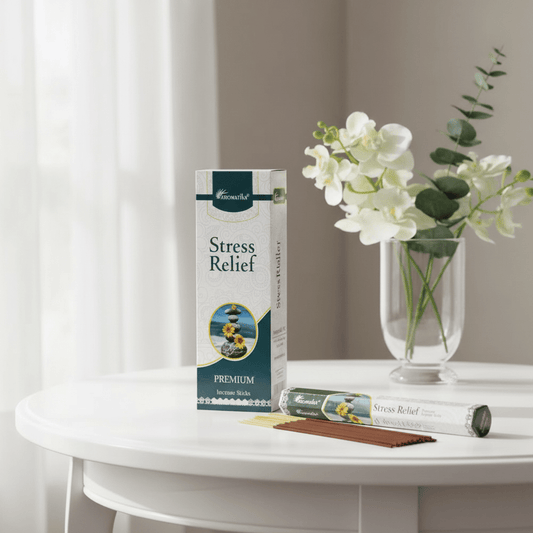
Traditionally paired with: Lavender or chamomile incense · Sandalwood or Nag Champa · A soft lavender or white candle
Wear it & work with it
Wear the energy of your favourite crystals every day – browse our handmade crystal jewellery and dowsing pendulums.
Gypsum or baryte crystals grow in a rosette as salty groundwater evaporates, trapping sand.
No – gypsum desert roses are water-sensitive; keep them dry.
Luminous gypsum named after the moon – a cleansing stone in crystal lore that must be kept away from water.
One of Earth's most common minerals, found in every colour and famous for its double refraction.
Earthy calcium carbonate that forms star-shaped clusters and the shimmer of pearls and shells.
Nodules cracked and filled with golden calcite, formed millions of years ago – the 'dragon stone' of crysta...