Перейти к контенту
Smithsonite

Photo: TheUltimateGrass / Wikimedia Commons (CC0)

Smithsonite

Pastel blue, green and pink zinc carbonate – named after the Smithsonian's founder, with famous specimens from Greece.

  • ColourBlue-green, Pink, Lavender, Yellow
  • Mineral groupCarbonate
  • ChemistryZnCO₃
  • Hardness (Mohs)4–4.5
  • Crystal systemTrigonal
  • Where it's foundMexico, Namibia (Tsumeb), Greece (Lavrion), USA, Zambia
  • ChakraHeart, Throat
  • ZodiacVirgo, Pisces

What is Smithsonite?

Smithsonite is a zinc carbonate that forms soft, pearly, bubbly (botryoidal) crusts in pastel colours – blue-green from copper, pink from cobalt. It is named after James Smithson, the British scientist whose bequest founded the Smithsonian Institution.

The ancient Lavrion mines in Attica, Greece – famous for silver in classical Athens – have produced beautiful blue and green smithsonite. Other sources include Mexico and Tsumeb in Namibia.

Smithsonite astrology & birthstone

  • Zodiac signsVirgo, Pisces
  • Ruling planet—
  • ElementWater
  • Birthstone month—

Zodiac, planet and element links come from crystal-lore traditions and vary between authors. Birthstone months follow the American Gem Society list.

Smithsonite meaning & traditional properties

Smithsonite is associated with calm, kindness and comfort in crystal traditions.

  • Calm
  • Kindness
  • Comfort

Traditional and metaphysical properties are shared for cultural and educational interest. Crystals are not a substitute for medical advice or treatment.

How to use Smithsonite

  • Display a smithsonite specimen in a calm space.

How to care for Smithsonite

Moderately soft and acid-sensitive. Avoid knocks and chemicals; wipe with a damp cloth.

Looking for Smithsonite?

Smithsonite isn't in our shop right now – new stock arrives regularly. In the meantime, explore similar crystals we have available or browse our full crystal collection.

  • Chrysocolla
    In our shop

    Chrysocolla

    Blue-green copper mineral that forms near copper deposits – a gentle stone of communication.

  • Aquamarine
    In our shop

    Aquamarine

    Sea-blue beryl and March birthstone, traditionally the sailor's stone of calm and courage.

Rituals & pairings

Pair Smithsonite with a calm & sleep ritual

An evening wind-down ritual to slow the mind before rest.

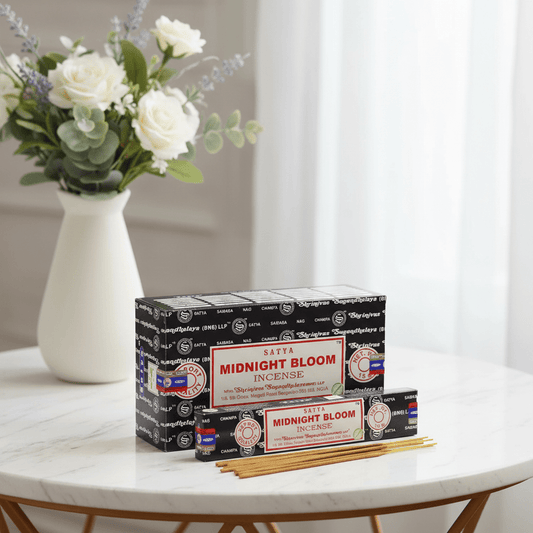
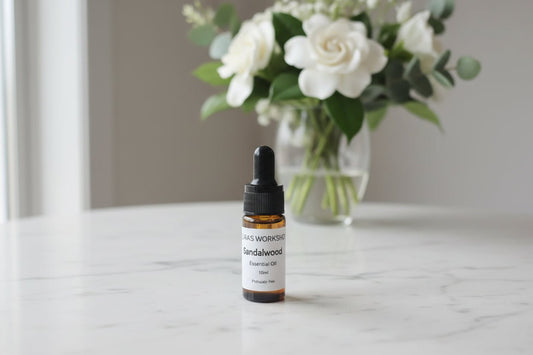
Traditionally paired with: Lavender or chamomile incense · Sandalwood or Nag Champa · A soft lavender or white candle
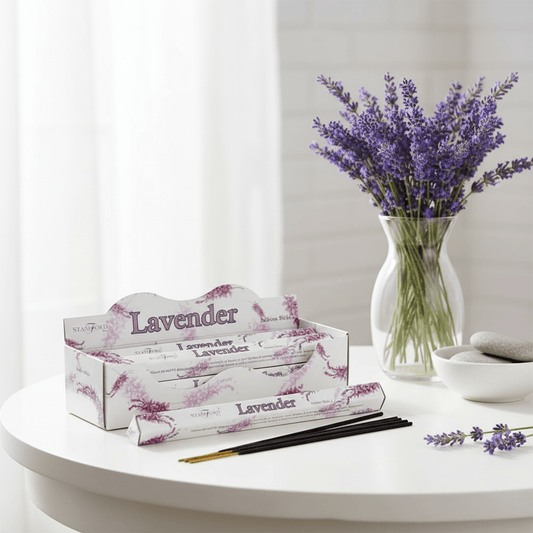
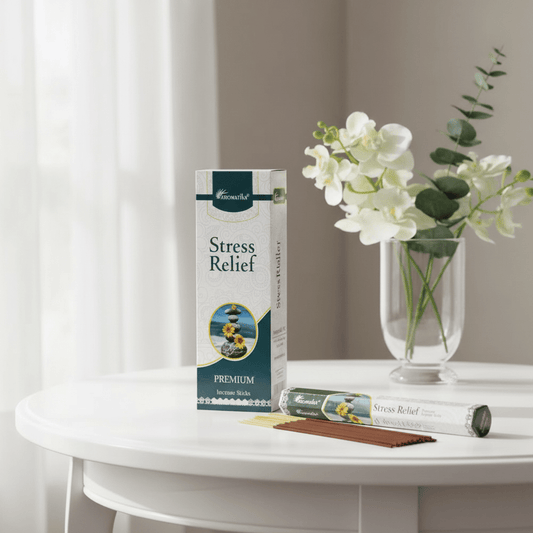
  • Dim the lights and light a lavender or chamomile candle.
  • Light sandalwood or lavender incense and take five slow breaths.
  • Hold your crystal in your palm while you let the day go, then place it on your bedside table.
  • Blow out the candle before you sleep.

Safety: never leave candles, incense or smudge sticks burning unattended, keep them away from children, pets and anything flammable, and ventilate the room. Rituals are shared as tradition, not as a treatment.

Ritual oils, essential oils & perfumes

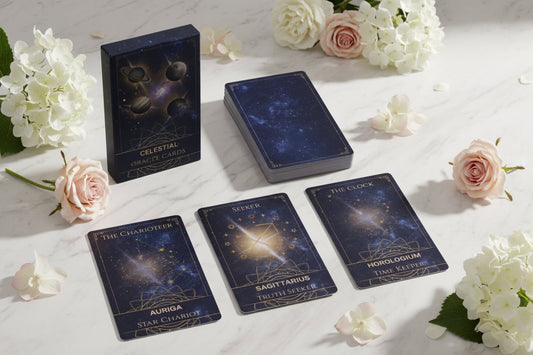
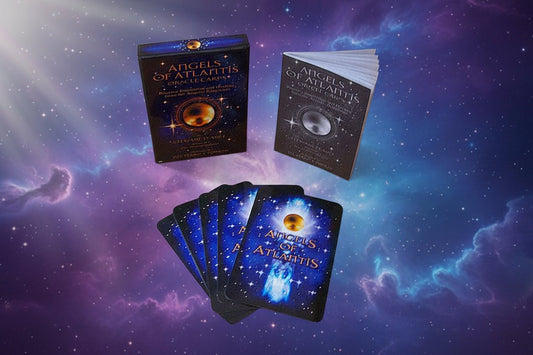
Deepen your practice: tarot & oracle cards

Wear it & work with it

Smithsonite jewellery & pendulums

Wear the energy of your favourite crystals every day – browse our handmade crystal jewellery and dowsing pendulums.

Smithsonite FAQs

Who is smithsonite named after?

James Smithson, founder of the Smithsonian Institution.

Is smithsonite found in Greece?

Yes – the historic Lavrion mines in Attica are famous for it.

Related crystals

  • Hemimorphite

    Hemimorphite

    Soft sky-blue zinc mineral with bubbly, botryoidal surfaces – a gentle crystal lore stone of communication.

  • Chrysocolla
    In our shop

    Chrysocolla

    Blue-green copper mineral that forms near copper deposits – a gentle stone of communication.

  • Larimar

    Larimar

    Caribbean-blue pectolite found in only one place on Earth – the Dominican Republic.

  • Aquamarine
    In our shop

    Aquamarine

    Sea-blue beryl and March birthstone, traditionally the sailor's stone of calm and courage.

Sources