Οι περισσότεροι άνθρωποι δεν χρειάζονται ένα τέλειο πρωινό, έναν χρωματικά κωδικοποιημένο προγραμματιστή ή μια ώρα ησυχίας πριν την ανατολή του ηλίου. Χρειάζονται δέκα ειλικρινή λεπτά που αλλάζουν τη διάθεση της ημέρας. Εκεί είναι που ένας οδηγός για την έναρξη ενός τελετουργικού αυτοφροντίδας μπορεί πραγματικά να βοηθήσει - όχι προσθέτοντας πίεση, αλλά δίνοντάς σας κάτι αρκετά απλό για να το επαναλάβετε και αρκετά όμορφο για να το διατηρήσετε.
Ένα πραγματικό τελετουργικό αυτοφροντίδας δεν αφορά το να κάνεις περισσότερα. Αφορά την επιλογή ορισμένων αισθητηριακών συνηθειών που λένε στο σώμα και το μυαλό σου, πολύ καθαρά, ότι είσαι ασφαλής, παρών και σου επιτρέπεται να κάνεις μια παύση. Αυτό μπορεί να σημαίνει το άναμμα ενός κεριού πριν την καταγραφή στο ημερολόγιο, τη χρήση ενός λαδιού ντους στο τέλος μιας κουραστικής βάρδιας ή την αργή εφαρμογή ενός ορού προσώπου αντί να βιάζεσαι ενώ ελέγχεις το τηλέφωνό σου.
Τι κάνει ένα τελετουργικό αυτοφροντίδας άξιο να διατηρηθεί
Η διαφορά μεταξύ ενός τελετουργικού και μιας τυχαίας συνήθειας είναι η πρόθεση. Το να φτιάχνεις τσάι είναι μια εργασία. Το να φτιάχνεις τσάι στην αγαπημένη σου κούπα, να απομακρύνεσαι από τις ειδοποιήσεις και να κάθεσαι δίπλα σε ένα αναμμένο κερί για πέντε ήσυχα λεπτά αρχίζει να μοιάζει με τελετουργικό. Η δράση είναι ακόμα μικρή, αλλά η εμπειρία αλλάζει.
Αυτό είναι σημαντικό γιατί οι καλύτερες ρουτίνες είναι αυτές που μπορείς να επαναλάβεις τις πολυάσχολες καθημερινές, τα βράδια με χαμηλή ενέργεια και τα Σαββατοκύριακα, όταν θέλεις κάτι πιο ήρεμο. Αν το τελετουργικό σου εξαρτάται από τέλειο συγχρονισμό, ακριβά εργαλεία ή μια τεράστια έκρηξη κινήτρων, συνήθως ξεθωριάζει γρήγορα. Αν ταιριάζει στη ζωή σου όπως είναι ήδη, έχει διάρκεια.
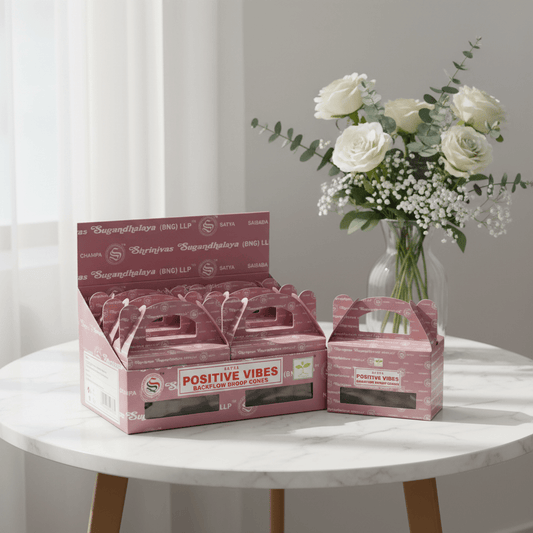
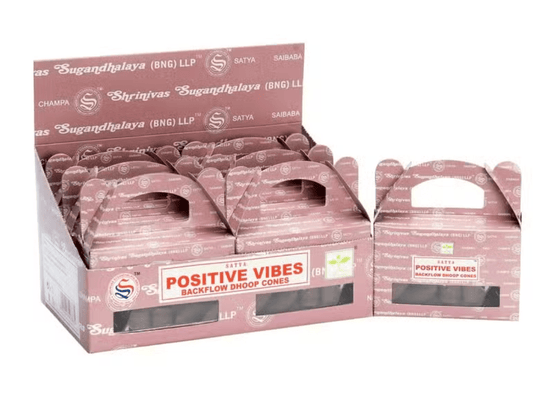
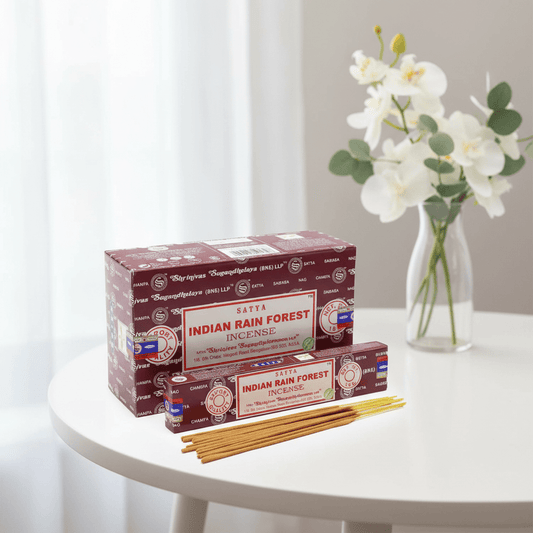
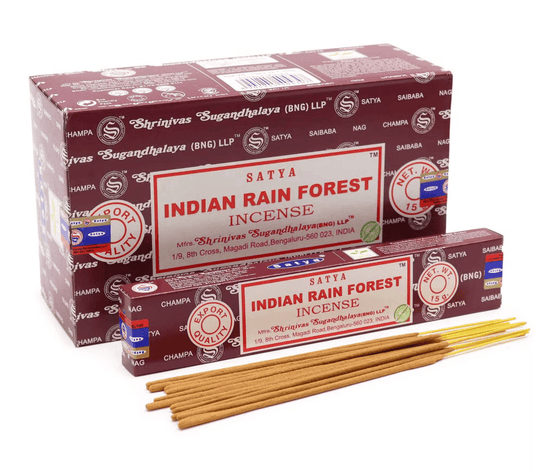
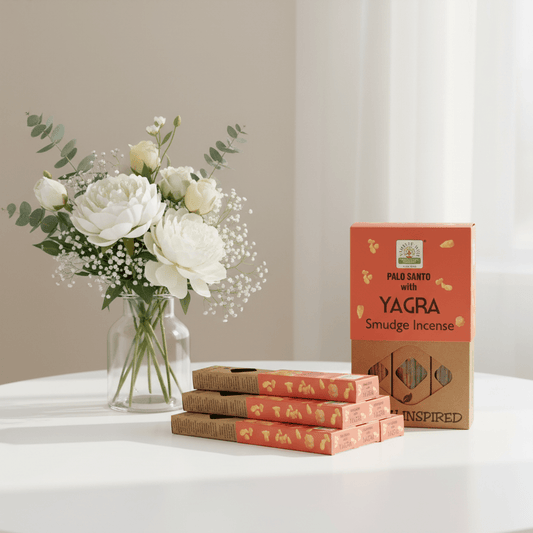
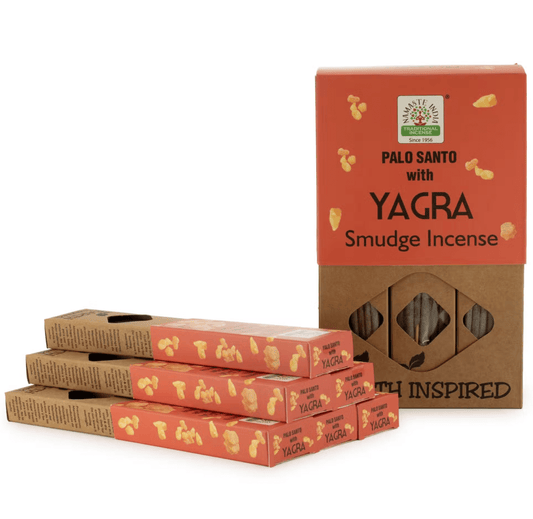
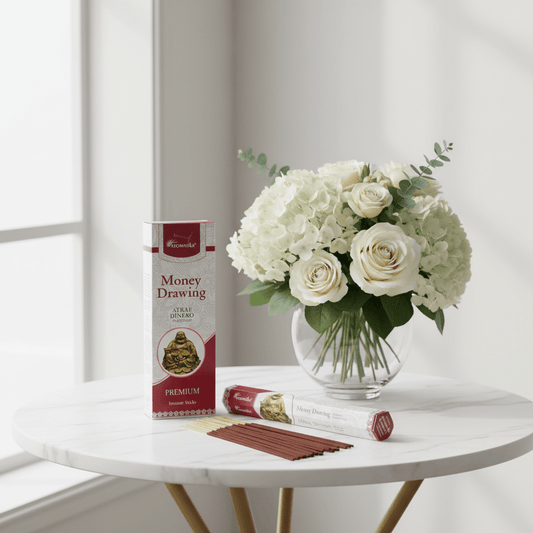
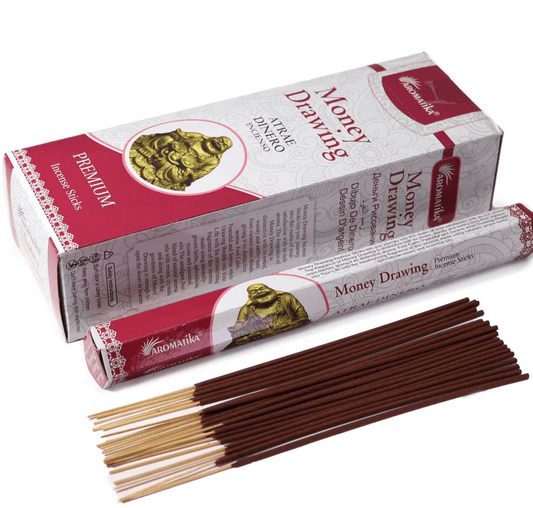
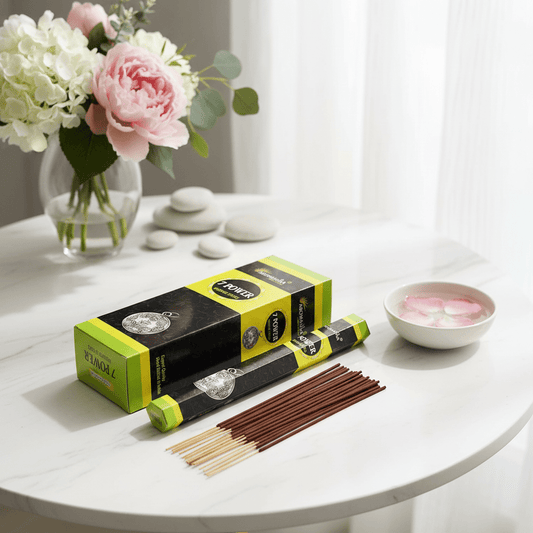
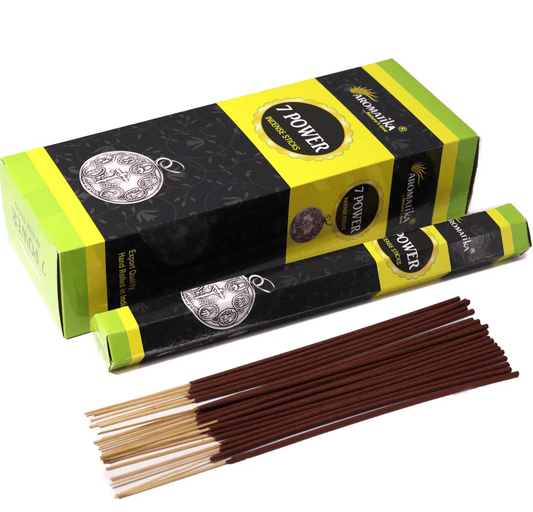
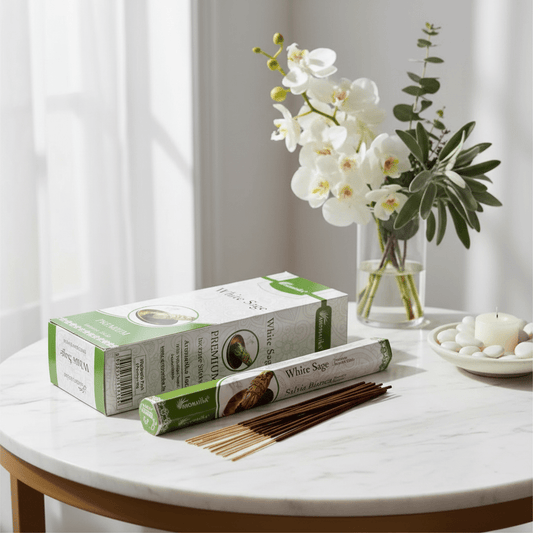
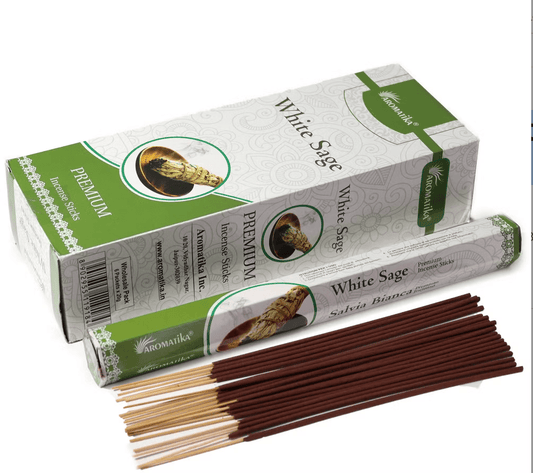
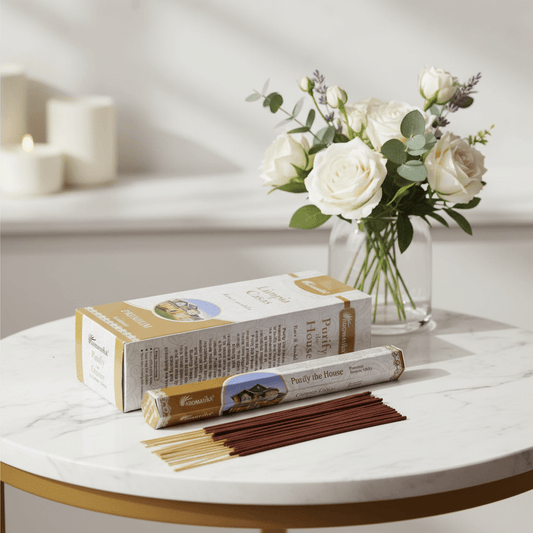
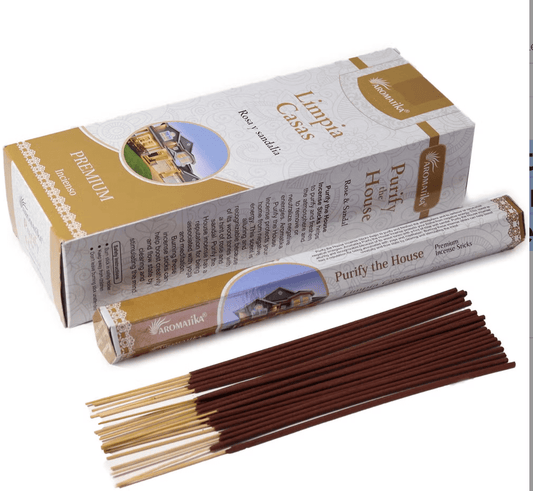
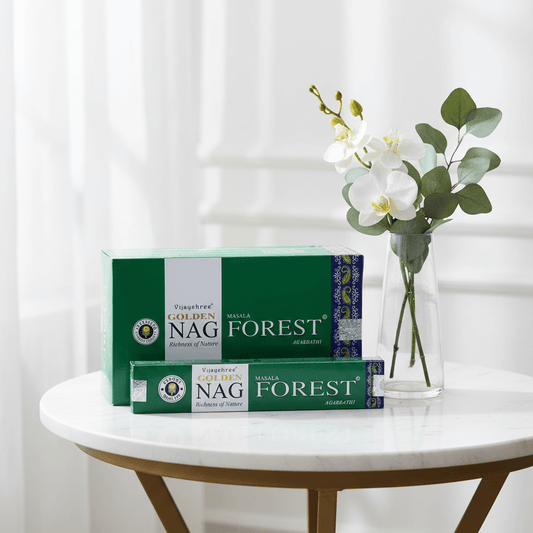
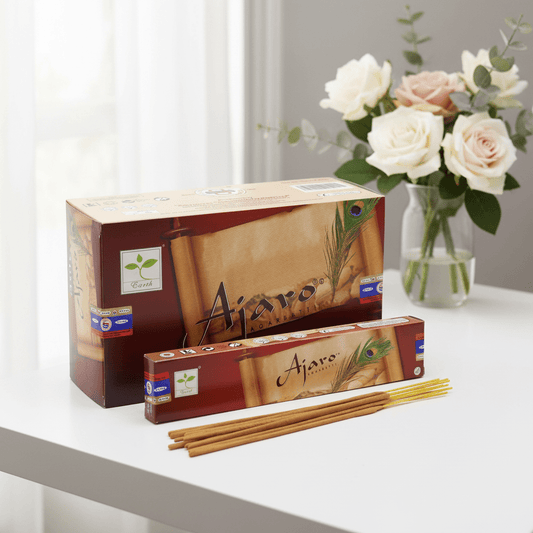
Επίσης, δεν υπάρχει μία ενιαία σωστή μορφή. Κάποιοι άνθρωποι αναζωογονούνται μέσω προϊόντων περιποίησης δέρματος και μπάνιου. Άλλοι νιώθουν καλύτερα μετά από πρακτικές γείωσης όπως λιβάνι, κρύσταλλα, διαλογισμό ή λίγες σελίδες από ημερολόγιο ταρώ. Πολλοί άνθρωποι θέλουν ένα μείγμα και των δύο - περιποίηση σώματος, άρωμα σπιτιού και λίγος πνευματικός χώρος σε μία ρουτίνα. Αυτό το μείγμα είναι συχνά αυτό που κάνει το τελετουργικό να αισθάνεται προσωπικό αντί για δανεισμένο.
Ένας οδηγός για να ξεκινήσετε ένα τελετουργικό αυτοφροντίδας που να είναι ρεαλιστικό
Ξεκινήστε με την ώρα της ημέρας που ήδη έχει μια σαφή διάθεση. Για κάποιους ανθρώπους, αυτό είναι το πρώτο πράγμα το πρωί, πριν η μέρα γίνει θορυβώδης. Για άλλους, είναι η στιγμή που επιστρέφουν σπίτι, ξεπλένουν τη μέρα και θέλουν το σπίτι να αισθάνεται διαφορετικά. Το βράδυ συχνά λειτουργεί καλύτερα γιατί έρχεται με μια φυσική ένδειξη για να επιβραδύνεις, αλλά δεν υπάρχει έπαθλο για την επιλογή της πιο πρώιμης θέσης.
Μόλις γνωρίζετε τη στιγμή, επιλέξτε ένα βασικό προϊόν ή ενέργεια. Αυτό είναι το στοιχείο που σηματοδοτεί: το τελετουργικό ξεκινά τώρα. Ένα κερί είναι ένα ισχυρό βασικό στοιχείο γιατί αλλάζει την ατμόσφαιρα αμέσως. Ένα άλας μπάνιου λειτουργεί καλά αν το σώμα σας κρατά το άγχος σωματικά. Ένα σπρέι χώρου μπορεί να ταιριάζει σε μικρότερους χώρους ή πιο γρήγορες ρουτίνες. Αν προτιμάτε την περιποίηση δέρματος, ένας τονωτής ή ένας ορός μπορεί να γίνει αυτό το βασικό στοιχείο αν τον εφαρμόσετε με προσοχή αντί να βιάζεστε.
Έπειτα, προσθέστε ένα υποστηρικτικό στρώμα. Αν ο άγκυράς σας είναι το άρωμα, το δεύτερο βήμα σας μπορεί να είναι η αφή – ένα lip balm, λάδι σώματος ή ένα ζεστό μπάνιο. Αν ο άγκυράς σας είναι η περιποίηση του δέρματος, το δεύτερο βήμα σας μπορεί να είναι η ατμόσφαιρα – απαλός φωτισμός, θυμίαμα ή ένας διαχυτής. Δύο βήματα είναι αρκετά για να ξεκινήσετε. Τρία μπορούν να λειτουργήσουν. Πέρα από αυτό, διατρέχετε τον κίνδυνο να χτίσετε μια ρουτίνα που φαίνεται καλή στο χαρτί αλλά φαίνεται πολύ μεγάλη σε συνηθισμένες μέρες.
Χτίστε γύρω από τις αισθήσεις, όχι τις τάσεις
Ένας λόγος που τα τελετουργικά διαρκούν είναι ότι αισθάνονται καλά αμέσως. Οι αισθητηριακές λεπτομέρειες έχουν μεγαλύτερη σημασία από ό,τι πιστεύουν οι άνθρωποι. Το τρεμόπαιγμα του κεριού, η ζεστασιά του νερού, το άρωμα που παραμένει στο δωμάτιο αφού το ψεκάσετε, η υφή μιας κρέμας στο ξηρό δέρμα – αυτές οι μικρές λεπτομέρειες δημιουργούν μια ένδειξη που το νευρικό σας σύστημα αρχίζει να αναγνωρίζει.
Εδώ είναι που βοηθάει να είσαι επιλεκτικός. Αν το έντονο άρωμα σε κατακλύζει, γίνε πιο απαλός και κράτησε την υπόλοιπη ρουτίνα ήσυχη. Αν αγαπάς ένα ολοκληρωμένο τελετουργικό μπάνιου, επικεντρώσου σε μπάρες μπάνιου, άλατα ή έλαια ντους που αναβαθμίζουν την εμπειρία χωρίς να την περιπλέκουν. Αν ο χώρος σου είναι κοινός, οι συμπαγείς τελετουργίες συχνά λειτουργούν καλύτερα από τις μακροχρόνιες. Ένα κερί στο κομοδίνο, λάδι για τους παλμούς και πέντε λεπτά ηρεμίας μπορεί να είναι πιο αποτελεσματικά από το να προσπαθείς να δημιουργήσεις μια βραδιά σπα κάθε Τρίτη και να την εγκαταλείψεις μέχρι τη δεύτερη εβδομάδα.
Οι τάσεις μπορούν να σε εμπνεύσουν, αλλά δεν πρέπει να καθορίζουν τα πάντα. Ένα τελετουργικό λειτουργεί μόνο αν ταιριάζει στο σπίτι, το πρόγραμμα και την ενέργειά σου. Αν είσαι συχνά κουρασμένος, κάντο πιο εύκολο. Αν βαριέσαι εύκολα, άλλαξε το άρωμα ή την κατηγορία του προϊόντος διατηρώντας την ίδια δομή.
Η ευκολότερη φόρμουλα τελετουργικού: φως, φροντίδα, τέλος
Αν θέλετε ένα πρακτικό σημείο εκκίνησης, κρατήστε το σε τρία στάδια: φως, φροντίδα, τέλος.
Φως σημαίνει αλλαγή της ατμόσφαιρας. Ανάψτε ένα χειροποίητο κερί, ανάψτε ένα διαχύτη ή χρησιμοποιήστε ένα σπρέι δωματίου για να σηματοδοτήσετε τη μετάβαση από τον συνηθισμένο χρόνο στον δικό σας χρόνο. Αυτός είναι ο πιο γρήγορος τρόπος για να κάνετε έναν χώρο να αισθάνεται σκόπιμος.
Φροντίδα σημαίνει μια ενέργεια για το σώμα ή το πρόσωπό σας. Χρησιμοποιήστε ένα καθαριστικό και ορό, κάντε μασάζ με λάδι γενειάδας, μουλιάστε σε ένα μπάνιο με άλατα ή απλώστε απαλά μια κρέμα πριν τον ύπνο. Ο στόχος δεν είναι μια μακρά ρουτίνα ομορφιάς. Είναι μια πράξη φροντίδας που γίνεται αρκετά αργά ώστε να γίνεται αντιληπτή.
Το "κλείσιμο" σημαίνει ότι τελειώνετε με μια σαφή τελική νότα. Αυτό θα μπορούσε να είναι ένα λεπτό αναπνοής, το τράβηγμα μιας κάρτας oracle ή ταρώ, η καταγραφή μιας σκέψης ή απλά το σβήσιμο του κεριού και η αποχώρηση από το δωμάτιο πιο ήρεμο από ό,τι το βρήκατε. Το κλείσιμο βοηθά το τελετουργικό να αισθανθεί ολοκληρωμένο, πράγμα που σας κάνει πιο πιθανό να επιστρέψετε σε αυτό.
Επιλέξτε προϊόντα που ταιριάζουν στη διάθεση που θέλετε
Ένα καλό τελετουργικό ξεκινά με το συναίσθημα, όχι με το ράφι. Αναρωτηθείτε τι πραγματικά χρειάζεστε συχνότερα. Η ηρεμία είναι διαφορετική από την ενέργεια. Η άνεση είναι διαφορετική από τη σαφήνεια. Ένα τελετουργικό μπάνιου της Κυριακής μπορεί να απαιτεί πλουσιότερα, πιο αργά προϊόντα, ενώ μια επαναφορά της καθημερινότητας μπορεί να χρειάζεται κάτι πιο γρήγορο και πιο φρέσκο.
Για ηρεμία, το ζεστό φως των κεριών, οι πιο απαλές αρωματοθεραπευτικές νότες, τα άλατα μπάνιου και οι απαλές υφές περιποίησης δέρματος συνήθως λειτουργούν καλά. Για συγκέντρωση, πιο καθαρά αρώματα δωματίου, ένας τακτοποιημένος χώρος και μια σύντομη πρακτική γείωσης μπορεί να είναι πιο χρήσιμα από οτιδήποτε πολύ υπνηλιακό. Για συναισθηματική επαναφορά, πολλοί άνθρωποι προτιμούν έναν συνδυασμό νερού, αρώματος και ενός συμβολικού εργαλείου όπως κρύσταλλοι, θυμίαμα ή ερωτήσεις για ημερολόγιο.
Οι αγοραστές δώρων μπορούν να χρησιμοποιήσουν την ίδια λογική. Τα καλύτερα δώρα αυτοφροντίδας δεν είναι τυχαία όμορφα αντικείμενα πεταμένα μαζί. Λειτουργούν όταν τα κομμάτια δημιουργούν μια διάθεση. Ένα κερί, ένα άλας μπάνιου και ένα lip balm δημιουργούν συνοχή. Το ίδιο και ένας διαχυτής, ένα σπρέι δωματίου και ένα σετ κρυστάλλων για κάποιον που δημιουργεί μια ήσυχη γωνιά στο σπίτι.
Γιατί τα μικρότερα τελετουργικά συχνά λειτουργούν καλύτερα
Υπάρχει ο πειρασμός να κάνουμε την αυτοφροντίδα επιδεικτική. Αγοράζεις έξι προϊόντα, προγραμματίζεις ένα εβδομαδιαίο πρόγραμμα και φαντάζεσαι μια νέα εκδοχή του εαυτού σου που δεν παραλείπει ποτέ ένα βήμα. Έπειτα έρχεται η πραγματική ζωή. Γυρίζεις αργά σπίτι, τα ρούχα σε περιμένουν και το τελετουργικό αρχίζει να μοιάζει με μια ακόμη δουλειά.
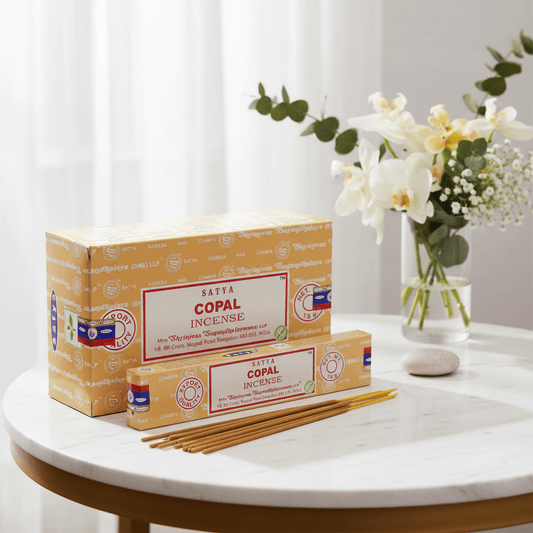
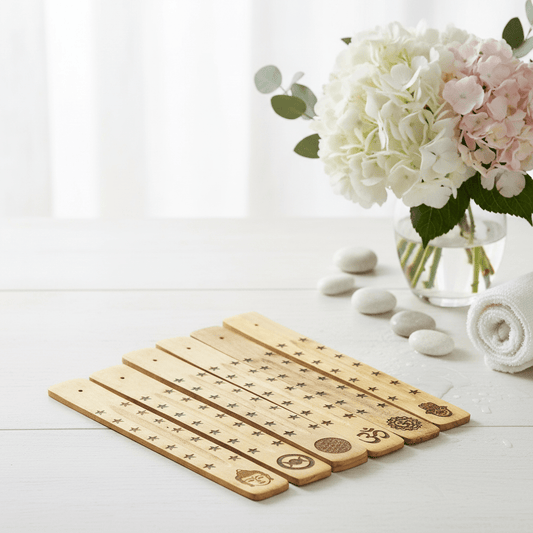
Γι' αυτό συνήθως κερδίζουν οι μικρές τελετουργίες. Απαιτούν λιγότερα από εσένα, ενώ εξακολουθούν να σου προσφέρουν κάτι. Πέντε λεπτά με ένα κερί και λάδι προσώπου είναι ακόμα ένα τελετουργικό. Ένα ζεστό ντους ακολουθούμενο από περιποίηση σώματος και μια καθαρή μαξιλαροθήκη μετράει. Το ίδιο και μια σύντομη στιγμή με λιβάνι και ένα ημερολόγιο πριν τον ύπνο.
Η συνέπεια δημιουργεί το αποτέλεσμα που συνήθως επιδιώκουν οι άνθρωποι. Όχι η ένταση. Μια σύντομη ρουτίνα που γίνεται τέσσερις φορές την εβδομάδα θα σας υποστηρίξει περισσότερο από ένα περίτεχνο τελετουργικό που καταφέρνετε μόνο μία φορά το μήνα.
Δημιουργήστε μια γωνιά τελετουργικού αν μπορείτε
Δεν χρειάζεστε ένα ειδικό δωμάτιο ευεξίας, αλλά βοηθάει να διατηρείτε τα τελετουργικά σας αντικείμενα μαζί. Ένας δίσκος δίπλα στο μπάνιο, ένα καλάθι δίπλα στο κρεβάτι σας ή ένα μικρό ράφι με κεριά, προϊόντα περιποίησης δέρματος, θυμίαμα και μερικά αγαπημένα εργαλεία κάνει τη ρουτίνα πιο εύκολη στην έναρξη. Η τριβή είναι αυτό που σκοτώνει τις καλές συνήθειες.
Η ορατότητα των προϊόντων σας βοηθά επίσης να ψωνίζετε με μεγαλύτερη πρόθεση. Αντί να συλλέγετε αντικείμενα που κάνουν την ίδια δουλειά, μπορείτε να δημιουργήσετε μια μικρή γκαρνταρόμπα τελετουργικών – ένα ή δύο κεριά για διαφορετικές διαθέσεις, έναν διαχυτή ή σπρέι δωματίου για γρήγορες επαναφορές, προϊόντα μπάνιου και σώματος για πιο βαθιά βράδια, και μερικά πνευματικά κομμάτια αν αυτό είναι μέρος της πρακτικής σας.
Αν δημιουργείτε αυτή τη ρύθμιση στην Κύπρο, το Auras Workshop το καθιστά ευκολότερο, καθώς μπορείτε να βρείτε άρωμα σπιτιού, προϊόντα μπάνιου, προϊόντα περιποίησης δέρματος και τελετουργικά αντικείμενα σε ένα μέρος στο auracyprus.com αντί να τα συνδυάσετε από διάφορα καταστήματα.
Αφήστε το τελετουργικό να αλλάζει με την εποχή
Οι καλύτερες ρουτίνες αυτοφροντίδας είναι σταθερές στη δομή αλλά ευέλικτες στη διάθεση. Τους θερμότερους μήνες, τα πιο ελαφριά αρώματα, τα σπρέι δωματίου, τα έλαια ντους και οι γρήγορες ρουτίνες περιποίησης δέρματος μπορεί να σας ταιριάζουν καλύτερα από τα μακρά μπάνια. Τους ψυχρότερους μήνες, τα κεριά από κερί μέλισσας ή φυτικό κερί, τα πιο πλούσια βάλσαμα και οι πιο αργές βραδινές ρουτίνες συχνά προσφέρουν μεγαλύτερη ικανοποίηση.
Η εποχή της ζωής έχει επίσης σημασία. Σε περιόδους άγχους, το τελετουργικό σας μπορεί να γίνει πιο απλό επειδή η ενέργειά σας είναι περιορισμένη. Σε πιο ήρεμες περιόδους, μπορεί να θέλετε να προσθέσετε επιπλέον στοιχεία όπως διαλογισμό, προβληματισμό με ταρώ ή ένα εβδομαδιαίο τελετουργικό μπάνιου. Καμία εκδοχή δεν είναι καλύτερη. Το νόημα είναι να διατηρήσετε το τελετουργικό υποστηρικτικό, όχι απαιτητικό.
Όταν ένα τελετουργικό δεν λειτουργεί
Εάν συνεχώς παραλείπετε τη ρουτίνα σας, το πρόβλημα σπάνια είναι ότι είστε κακοί στις συνήθειες. Συνήθως το τελετουργικό είναι πολύ μεγάλο, πολύ ασαφές ή συνδεδεμένο με λάθος ώρα της ημέρας. Προσαρμόστε ένα πράγμα κάθε φορά. Συντομεύστε το. Μετακινήστε το. Αλλάξτε προϊόντα. Κρατήστε τον άξονα και αλλάξτε τα υπόλοιπα.
Επίσης, βοηθάει να παρατηρείτε τι ζητάτε φυσικά τις δύσκολες μέρες. Αν πάντα ανάβετε ένα κερί όταν θέλετε παρηγοριά, ξεκινήστε από εκεί. Αν ένα ντους επαναφέρει τη διάθεσή σας γρηγορότερα από ένα μπάνιο, χρησιμοποιήστε αυτό. Οι πραγματικές σας προτιμήσεις έχουν μεγαλύτερη σημασία από οποιαδήποτε ιδανική εκδοχή αυτοφροντίδας έχετε δει online.
Ένα τελετουργικό αυτοφροντίδας δεν χρειάζεται να είναι εντυπωσιακό για να λειτουργήσει. Χρειάζεται απλά να αισθάνεστε αρκετά καλά ώστε να θέλετε να επιστρέψετε σε αυτό αύριο. Ξεκινήστε μικρά, κάντε το αισθητηριακό και αφήστε το να ανήκει στην πραγματική σας ζωή. Εκεί συνήθως ξεκινά η διαρκής μαγεία.