You hold the pendulum still, ask a question, and then immediately wonder if you moved your hand. That is the moment almost everyone starts with.
Pendulum work is simple, but it is not careless. If you want clear answers, the real skill is not forcing movement. It is asking better questions, setting a calm baseline, and knowing when to stop. Once you get that part right, a pendulum becomes a useful ritual tool for reflection, energy work, and decision support.
How to use a pendulum for questions without overcomplicating it
A pendulum is usually a weighted point on a chain or cord. People use it to get yes-or-no answers, check energy, or bring focus to a question they keep circling in their head. Some approach it spiritually, some intuitively, and some treat it as a mindfulness practice. All three can work, depending on what you believe and how you use the tool.
If you are learning how to use a pendulum for questions, keep your first sessions basic. You do not need a long ritual, a perfect crystal, or a dramatic setup. You need a pendulum that feels comfortable in your hand, a quiet moment, and questions that are direct enough to answer.
Crystal pendulums are popular, but wood, metal, and glass can work just as well. The best choice is often the one you actually want to use. If a piece feels balanced, easy to hold, and aligned with your style of practice, that matters more than chasing the most expensive option.
Set yourself up before you ask anything
The quality of the question usually matters more than the material of the pendulum. Before you begin, sit somewhere you can rest your arm comfortably. If your shoulder is tense or your wrist is floating in midair, you will get messy movements and second-guess every answer.
Hold the top of the chain between your thumb and forefinger. Let the pendulum hang freely. Some people like to steady their elbow on a table. That can help, especially when you are new and trying to notice subtle motion.
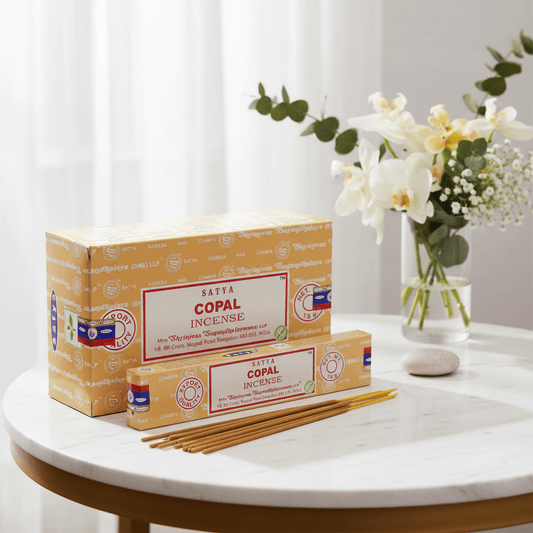
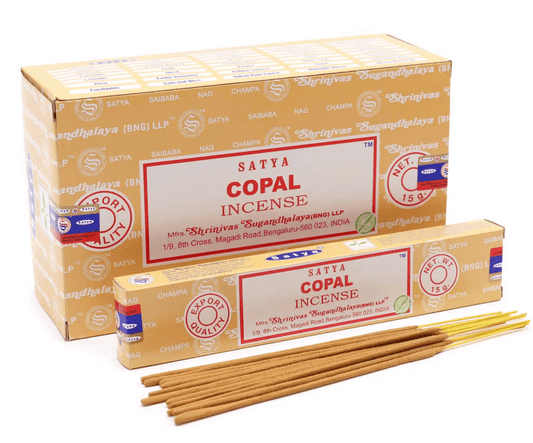
A short reset helps. Take a few slow breaths. If ritual matters to you, you can light a candle, burn incense, or simply clear the space with intention. Keep it grounded. The goal is not performance. The goal is focus.
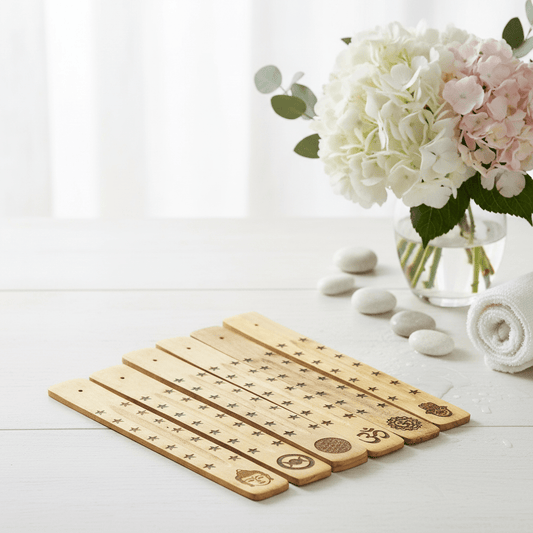
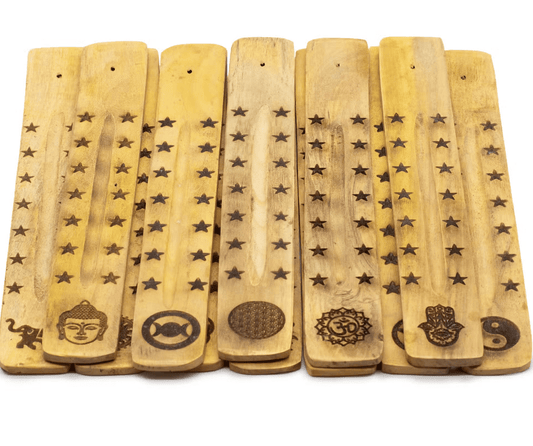
Many people also like to cleanse their pendulum before first use or after heavy sessions. You might place it near incense smoke, set it beside crystals, or leave it in a dedicated ritual tray with your other tools. There is no single rule here. Consistency matters more than doing it the fanciest way.
First, establish your yes and no
Before asking personal questions, ask the pendulum to show you yes. Watch the direction carefully. It may swing front to back, side to side, or in a circle. Then ask it to show you no. After that, ask for maybe or unclear, if you want an additional response.
This step matters because not every pendulum gives the same directional language to every person. One person's clockwise circle might mean yes. Another person's might mean not now. Do not copy someone else's setup and assume it is yours.
Then test it with known answers
Ask a few simple questions you already know are true or false. Ask, "Is my name Sarah?" if your name is Sarah. Ask, "Am I sitting indoors?" Ask, "Is today Tuesday?" if it is not Tuesday. This gives you a baseline and helps you notice how your body settles when the answer is obvious.
If responses are weak, that does not always mean the pendulum is not working. It may just mean you are tired, distracted, skeptical, or trying too hard.
Ask questions the pendulum can actually answer
Most pendulum frustration comes from vague wording. If the question is blurry, the answer usually is too.
A pendulum works best with clear yes-or-no phrasing. Instead of asking, "What should I do with my life?" ask, "Would taking this class support me right now?" Instead of, "Is this relationship good?" ask, "Is this relationship healthy for me at this time?"
Timing matters too. Questions with a broad future forecast can get muddy because circumstances change. "Will I move next year?" may be less useful than, "Am I ready to start planning a move?" The more immediate and focused the question, the easier it is to read.
Keep emotional charge in mind. If you desperately want one answer, your tension can affect the session. That does not mean you can never ask personal questions. It means you should be honest with yourself when you are too attached to hear anything clearly.
Good question styles to use
Questions tend to work better when they are specific, present-focused, and singular. Ask one thing at a time. "Is this job aligned for me?" is cleaner than, "Is this job aligned, financially smart, emotionally healthy, and worth relocating for?"
If needed, break a big issue into smaller pieces. Ask whether this is the right time, whether the option feels supportive, and whether more information is needed before deciding. That gives you a more useful read than trying to squeeze your entire life decision into one swing.
What the movement may mean
Once you have set your signals, let the pendulum respond without rushing it. Some answers come fast. Some build slowly. A strong steady swing usually feels easier to trust than a tiny shaky motion.
Circular motion, straight-line motion, and stillness can all mean something, but only in the system you established at the start. If the pendulum barely moves or changes direction halfway through, treat that as unclear rather than forcing an interpretation.
Stillness is not failure. Sometimes it means the question needs to be reworded. Sometimes it means you are not centered. Sometimes it means this is not the right time to ask.
Common mistakes that make answers messy
The biggest mistake is asking the same question five different ways because you did not like the first answer. That usually creates more confusion, not more truth.
Another common issue is reading too much into every tiny movement. Especially at the start, subtle motion can come from natural micro-movements in the hand. That is why calm posture and repeatable setup matter.
It also helps to avoid marathon sessions. After a while, concentration drops and answers get muddy. Short, clear practice is better than trying to get every answer in one sitting.
If you are using your pendulum during self-care or ritual time, pair it with tools that help you slow down. A candle, room spray, essential oil blend, or incense can shift the mood quickly and help your questions feel more intentional instead of rushed.
When not to use a pendulum
A pendulum is not a replacement for medical, legal, financial, or mental health guidance. It is also not a good tool for obsessive checking. If you are asking the same question daily, trying to predict every detail, or using it to avoid real-world action, step back.
This tool works best as support, not control. It can help you notice hesitation, confirm what you already sense, and create a ritual around decision-making. It should not run your life for you.
Make your practice more consistent
Like any ritual tool, a pendulum becomes more useful when your method stays consistent. Use it in a similar setting, with a similar posture, and with the same opening check-in. Keep a small journal of what you asked and how the answers played out. You may notice patterns quickly.
You may also find that different pendulums feel different in practice. Some people keep one for everyday questions and another for altar work, chakra sessions, or giftable spiritual sets. If you are building a ritual corner at home, it makes sense to keep your pendulum alongside candles, crystals, incense, or tarot so everything you need is in one place and easy to reach. A curated setup usually gets used more often than a drawer full of random tools.
If you want to browse pendulums, incense, candles, and other ritual-ready pieces in one place, Auras Workshop offers a practical mix of spiritual tools and self-care staples at https://auracyprus.com.
A simple way to begin tonight
Sit down. Rest your arm. Ask your pendulum to show you yes and no. Test a few known answers, then ask one real question that is clear, specific, and honest.
That is enough for a first session. You do not need dramatic signs. You are building a relationship with the tool, your own intuition, and the kind of quiet attention most people rarely give themselves. Sometimes the most helpful answer is not the swing itself. It is the clarity you get while asking.