A meditation space can look perfect and still feel slightly off. Often, the missing piece is not another cushion or crystal - it is the candle. The best candles for meditation spaces do more than add a soft glow. They shape pace, signal intention and help the room settle before you do.
When you are choosing a candle for meditation, the goal is not just fragrance or style. It is atmosphere that supports focus without demanding attention. That means the right wax, the right scent strength, the right vessel and, just as importantly, the right fit for how you actually practise.
What makes the best candles for meditation spaces?
A good meditation candle should feel steady rather than dramatic. You want a clean, calm flame, a scent that supports the room instead of filling it too aggressively, and a format that suits the length of your ritual. If you sit for ten minutes most mornings, a large statement candle may be more than you need. If your evening practice is longer and slower, a candle with a more generous burn time makes sense.
Natural-leaning wax choices tend to suit this setting well because they align with the slower, more intentional mood many people want in a wellness space. Beeswax has a warm, grounded character and a beautiful natural glow. Plant wax options, including rapeseed and olive blends, can feel equally refined while offering a smooth, elegant finish that works well in modern interiors.
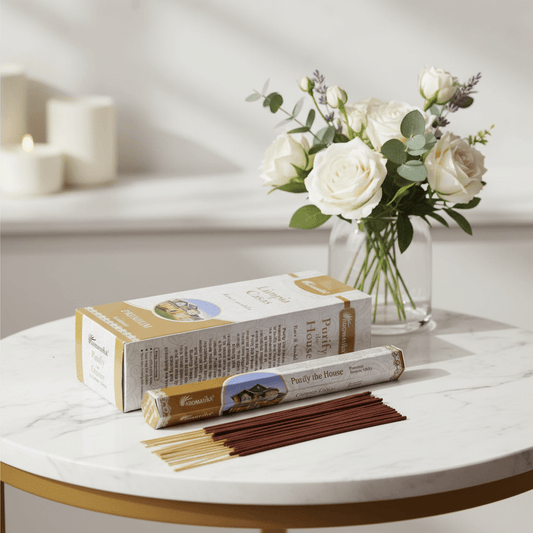
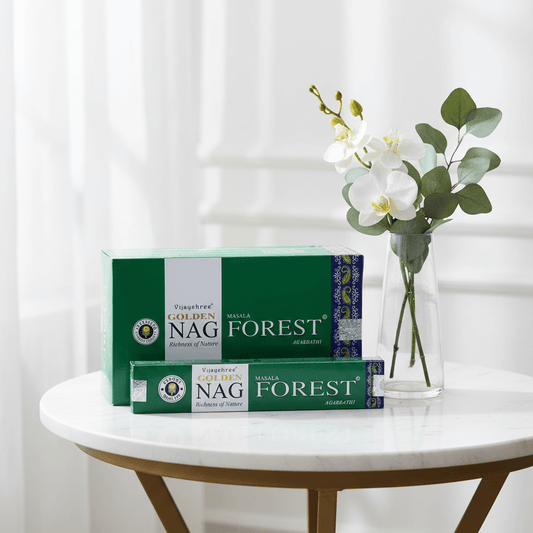
The vessel matters too. Clear glass gives a lighter, brighter effect. Matte jars and ceramic styles feel softer and more rooted. If your meditation corner already includes incense, palo santo or essential oils, a simpler candle design often works better than something visually busy.
Start with the mood you want to create
Not every meditation space should feel the same. Some people want deep grounding after a hectic day. Others want clarity for breathwork, journalling or tarot pulls. The candle should match that purpose.
For a grounding atmosphere, look for candles with earthy, resinous or softly herbal scent profiles. Think woods, subtle spice, frankincense-style notes or gentle blends that feel cocooning rather than sweet. These are especially good for evening practice, winter rituals and slower restorative sessions.
For a lighter, clearer mood, choose candles with fresh herbal or delicate floral notes. Lavender is an obvious favourite for a reason - it is familiar, calming and easy to live with. But it depends on your sensitivity. Some people find floral scents deeply soothing, while others focus better with almost no fragrance at all.
That is the key trade-off. A stronger scent can help mark the shift from daily life into ritual, but too much fragrance can become the thing you notice most. If you are new to meditation candles, start softer than you think you need.
Wax choice changes the whole feel
If you shop by scent alone, you miss half the experience. Wax affects burn quality, ambience and the overall character of the candle.
Beeswax for warmth and presence
Beeswax candles are a strong choice for meditation spaces that lean traditional, earthy or spiritually styled. The flame tends to feel rich and golden, and the candle itself carries a natural sense of substance. If your practice includes breathwork, grounding exercises or altar-style rituals, beeswax often feels right at home.
The trade-off is that beeswax has its own natural aroma. Many people love that soft honeyed note, but if you want a perfectly neutral backdrop, it may not be your first choice.
Plant wax for a clean, modern ritual feel
Rapeseed and olive wax candles suit contemporary meditation spaces beautifully. They often have a cleaner visual finish and can pair well with essential-oil-led fragrance profiles. If your home style is minimal, airy or boutique rather than rustic, plant wax usually fits in easily.
They are also a smart option if you like changing scents with the seasons. A fresh herbal candle in spring and a more grounding resinous one in autumn can transform the same corner without needing to redesign the whole space.
Unscented still has a place
There is a tendency to assume meditation needs fragrance. It does not. For some people, the best candles for meditation spaces are unscented pillar or container candles that let the flame itself become the anchor. This works especially well if you are combining candlelight with incense, diffusers or guided breathwork and do not want sensory overload.
Scent families that work well for meditation
You do not need a huge fragrance wardrobe. A few well-chosen scent directions are usually enough.
Lavender remains one of the easiest choices for relaxation and evening practice. It softens the room quickly and pairs well with baths, journalling and wind-down rituals. Herbal blends can feel cleaner and more mentally spacious, especially for morning meditation or midweek reset sessions.
Resinous and woody profiles suit deeper, more ceremonial spaces. If you keep crystals nearby, use tarot as part of your reflection time or enjoy a more mystical home atmosphere, these scents bring cohesion. They feel intentional without becoming theatrical.
Citrus can work, but gently. A bright citrus-heavy candle may feel energising rather than centring, which is useful for some practices and less useful for others. If you meditate to settle your nervous system before bed, a softer blend will usually serve you better.
Size, burn time and flame style matter more than people think
A candle that looks beautiful on the shelf can still be wrong for your routine. Small candles are brilliant for short daily sits, quick grounding pauses and travel-friendly rituals. They light easily, create an instant cue for your practice and do not ask for a major commitment.
Medium container candles are the most flexible choice for most homes. They give enough presence to define the space and enough burn time to make them practical for regular use. If you meditate several times a week, this is often the sweet spot.
Large candles make more sense for dedicated wellness rooms, longer sessions or shared spaces where the candle becomes part of the room's identity. The only caution is balance. In a compact area, a very large candle can dominate rather than support.
Single-wick styles usually suit meditation best because the flame is more restrained. Multi-wick candles can feel luxurious, but they create more light and energy. That is lovely for entertaining or a larger lounge, but not always ideal for quiet inward focus.
How to place candles in a meditation space
Placement changes the effect immediately. A candle at eye level can support a soft visual focus if you use flame-gazing as part of your practice. A candle placed lower, near floor cushions or on a side tray, tends to feel more ambient and less directive.
If you use other ritual objects, leave breathing room around the candle. Crystals, incense holders and small bowls can look beautiful together, but crowding the area makes it feel like display rather than practice. Keep one focal point and let the rest support it.
It is also worth matching the candle to the room's natural light. In a bright room, a translucent or lighter-toned vessel feels fresh and clean. In a darker corner, warmer-toned glass, beeswax or a matte neutral container can add more depth.
Choosing candles for different meditation styles
Your ideal candle depends on what meditation means to you. If your practice is structured and quiet, go for low-interruption candles with soft scent throw and a stable flame. If your ritual is more sensory, with music, oils or oracle cards, you can lean into richer scent profiles and more decorative vessels.
For yoga and breath-led movement, choose something subtle. Strong fragrance during movement can become distracting fast. For altar work or moon rituals, a candle with more visual character may feel appropriate, especially if it ties into the energy of the space.
This is where curated shopping makes life easier. A brand like Auras Workshop makes sense for this kind of ritual-led buying because the candle does not have to stand alone - it can sit naturally alongside incense, crystals and other self-care pieces you already use.
A few mistakes to avoid
The biggest mistake is picking a candle purely because it smells strong in the jar. Cold throw and lit throw are not the same experience. What feels impressive at first sniff can become too much once the candle is burning in a smaller room.
Another common issue is choosing a candle that clashes with the rest of your ritual. If you already use a reed diffuser, room spray or incense nearby, think about the combined effect. Meditation spaces usually benefit from editing, not layering every scent at once.
And finally, do not ignore practicalities. A beautiful candle you save for special occasions will not support a daily ritual nearly as well as one you genuinely enjoy lighting on an ordinary Tuesday.
The right candle should make your meditation space easier to return to. Not louder, not busier, not over-styled - just more inviting, more grounded and more yours. Choose one that suits the way you actually pause, breathe and reset, and the ritual tends to follow naturally.