Some evenings call for a deep reset. Other times, you just want to shift the mood in a room before lighting a candle, starting meditation, or settling into a slower routine. That is where palo santo vs sage becomes a real choice, not just a trend. Both are used in spiritual and home rituals, but they create very different experiences.
If you have ever stood in front of a shelf wondering which one belongs in your basket, the short answer is this: sage tends to feel sharper and more clearing, while palo santo feels warmer, softer, and more grounding. The better pick depends on what you want the room, and yourself, to feel like afterwards.
Palo santo vs sage: the core difference
The biggest difference between palo santo and sage is not simply the plant itself. It is the atmosphere each one creates.
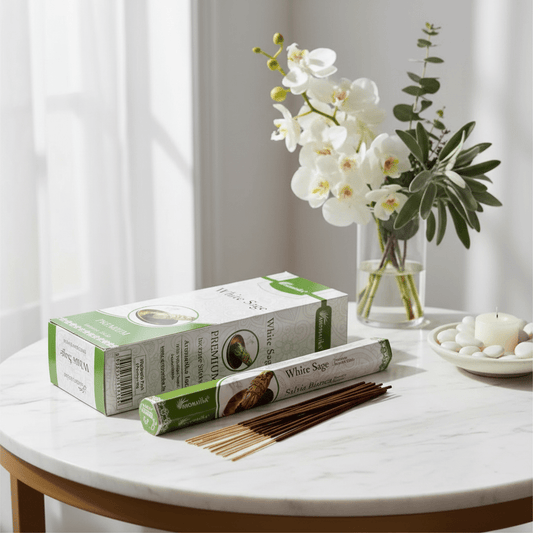
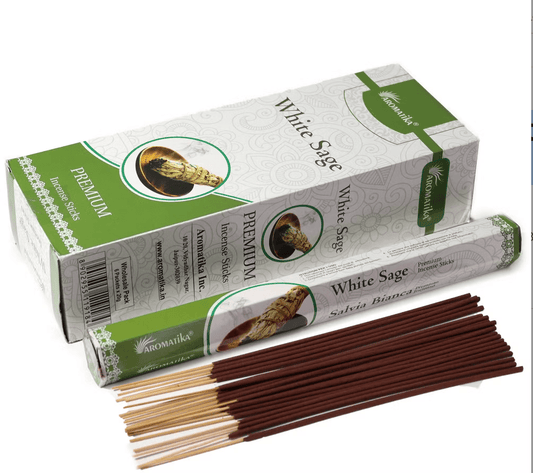
Sage is usually chosen when someone wants a stronger cleansing ritual. The scent is more herbaceous, dry, and direct. It can feel brisk, almost like opening all the windows in your home after a long week. Many people reach for it when a space feels heavy, cluttered, or energetically stale.
Palo santo offers a different mood. Its aroma is woodier, slightly sweet, and often described as comforting. Rather than creating a sharp energetic cut, it tends to feel like it settles a room. If sage feels like clearing the air, palo santo feels like rebuilding the atmosphere after the clear-out.
That distinction matters if you use ritual tools as part of self-care. One is not better than the other. They simply support different moments.
When sage makes more sense
Sage is often the first thing people think of for smoke cleansing because it has a long-standing place in ritual practices and is associated with energetic clearing. In everyday home use, it is usually picked for spaces that feel overused or emotionally crowded.
If you have had guests over, finished a stressful workday, moved into a new room, or want a stronger ritual before journalling or card reading, sage may feel more appropriate. The smoke is typically fuller, and the scent announces itself straight away. That can be exactly what you want when subtlety is not the goal.
There is a practical side to this too. Sage can be a better choice if you prefer a quick, defined cleansing ritual. Light it, let the smoke move through the room, and extinguish it. The effect often feels immediate.
That said, sage is not for everyone. Some people find the scent too intense for smaller rooms or for regular use. If you live in a compact flat or prefer a softer fragrance profile, it may feel a little overpowering unless used sparingly.
Best moments to use sage
Sage often suits transitional moments. Before a house guest arrives, after an argument, at the start of a new month, or when your bedroom or living area simply feels flat. It also works well if your ritual style is more intentional and ceremonial, rather than casual and atmospheric.
If your aim is to mark a clear energetic boundary, sage usually does that more boldly.
When palo santo is the better fit
Palo santo tends to appeal to people who want ritual to blend naturally into daily life. The scent is smoother and often easier to live with, especially if you already love warm woods, resinous notes, and cosy home fragrance.
Rather than creating a dramatic reset, palo santo often supports a gentler shift. It can be lovely before meditation, during a quiet bath, while reading, or in the evening when you want the room to feel calm but not stripped back. It pairs especially well with candlelight and slower routines.
For shoppers who already enjoy incense, essential oils, or soft home scents, palo santo can feel more intuitive. It has a ritual quality, but it also has a sensory appeal that makes it easy to reach for even when you are not doing a formal cleansing practice.
This is where it often wins people over. If sage feels too forceful, palo santo can offer the spiritual mood without making the whole room smell intensely herbal.
Best moments to use palo santo
Palo santo works beautifully when your goal is grounding. Think early morning intention-setting, evening wind-down rituals, post-tidy ambience, or creating a welcoming feel before yoga or breathwork. It is also a strong option if you want your ritual items to feel giftable, beautiful, and easy to incorporate into home styling.
In a boutique self-care space, palo santo often sits naturally alongside crystals, candles, incense holders, and softer aromatherapy rituals.
Scent, smoke, and room feel
For most people, the real choice comes down to sensory preference.
Sage smells greener, drier, and more medicinal. The smoke can feel denser, and the effect in the room is usually stronger and more obvious. If you want a cleansing ritual you can really feel happening, that is part of its appeal.
Palo santo smells warmer and more rounded. Depending on the stick, you may notice soft citrusy or resin-like notes beneath the wood. The smoke is still present, of course, but many people experience it as less abrupt.
This matters if you are using either one in a home where ambience is part of the goal. A fresh, airy space might suit sage. A cosy bedroom, reading corner, or evening ritual setup may suit palo santo better.
There is also the question of frequency. Some people use sage occasionally for a proper reset, but reach for palo santo more often because it feels easier in everyday routines.
Is one better for spiritual cleansing?
This is where the answer is: it depends.
If by cleansing you mean a more assertive energetic clear-out, sage is often the preferred option. It has a stronger reputation for banishing stagnant energy and creating a sense of fresh start. If your ritual is tied to new beginnings, boundaries, or post-stress clearing, sage may feel more aligned.
If by cleansing you mean restoring balance, bringing yourself back to centre, or preparing a peaceful atmosphere, palo santo may be the better fit. It often feels less like removing and more like harmonising.
Many people keep both for that reason. Sage for the reset. Palo santo for what comes after.
That pairing makes sense in a real home. You do not always need the same energy tool for every situation, just as you would not choose the same candle scent for every room or every mood.
Palo santo vs sage for beginners
If you are new to both, palo santo is often the easier starting point. The scent is generally more approachable, and the ritual can feel less intimidating. You can light it briefly, let it smoulder, and use it to mark a quiet moment without feeling like you need a full ceremonial setup.
Sage can still be a great beginner choice, especially if you are specifically looking for cleansing rather than ambience. But because the fragrance and smoke are stronger, it tends to feel more deliberate from the outset.
A good rule is to match the tool to your intention, not to what seems most popular. If you want comfort and grounding, begin with palo santo. If you want a noticeable reset, begin with sage.
How to choose for your space
Think first about the room you want to use it in. For larger, busier spaces, sage may feel more effective. For bedrooms, smaller corners, or regular evening rituals, palo santo often feels easier to live with.
Then think about your routine. If you love a crisp start and a sense of energetic housekeeping, sage may become your go-to. If your rituals are tied to winding down, gifting, meditation, or home fragrance layering, palo santo may suit your style more naturally.
It is also worth considering the rest of your ritual shelf. If you already use candles, incense, room sprays, or crystals, palo santo can slide neatly into that softer, curated ritual flow. If your focus is energetic clearing first and ambience second, sage may be the stronger performer.
At Auras Workshop, that is often how people shop for these pieces in the first place. Not as abstract spiritual tools, but as part of a wider self-care and home ritual setup that has to feel right in real life.
A simple way to decide
Choose sage when you want to clear. Choose palo santo when you want to ground. Choose both if your rituals change with your mood, your season, or the energy in your home.
The best choice is the one you will actually use, not the one that sounds most mystical on paper. Start with the atmosphere you want to create, trust your senses, and let your ritual tools support the way you want your space to feel tonight.