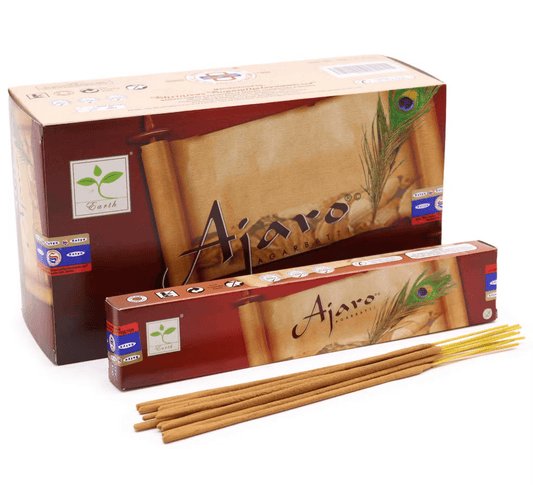
A rushed shower, a cluttered bedside table, a mind still racing at 11pm - that is usually where people realise they do not need a grand wellness reset. They need a ritual they will actually keep. If you are wondering how to start aromatherapy rituals, begin smaller than you think: one scent, one moment, one clear reason for using it.
Aromatherapy works best when it becomes part of real life rather than a once-a-month self-care performance. The good news is that you do not need a spa-style set-up or a full shelf of products to make it feel special. A well-chosen candle, a diffuser blend, a shower oil or bath soak can turn an ordinary part of the day into something grounding, uplifting or restful.
Why aromatherapy rituals work so well
The appeal is simple. Scent changes the feel of a space quickly, and it often changes your mood just as fast. When you pair a fragrance with a repeated action, your brain starts to recognise the pattern. Over time, lighting a candle before journalling or switching on a diffuser before bed can become a cue to slow down.
That is why rituals tend to stick better than vague intentions. Saying you want to feel calmer is one thing. Choosing a lavender-based evening blend, dimming the lights and taking five quiet minutes before sleep is something you can repeat tomorrow.
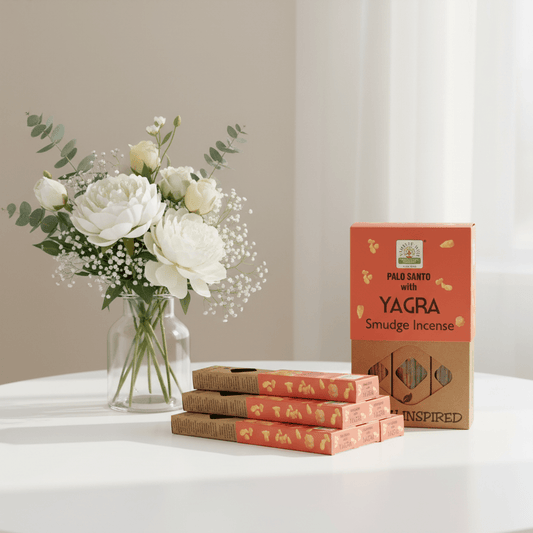
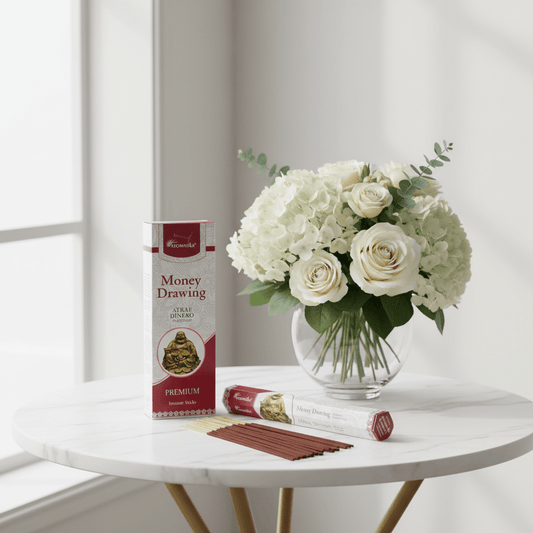
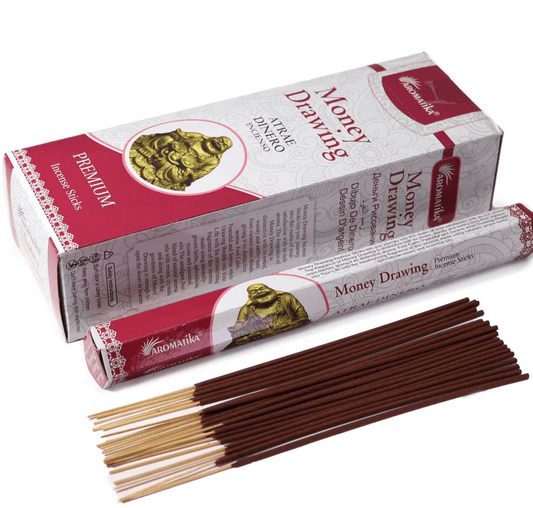
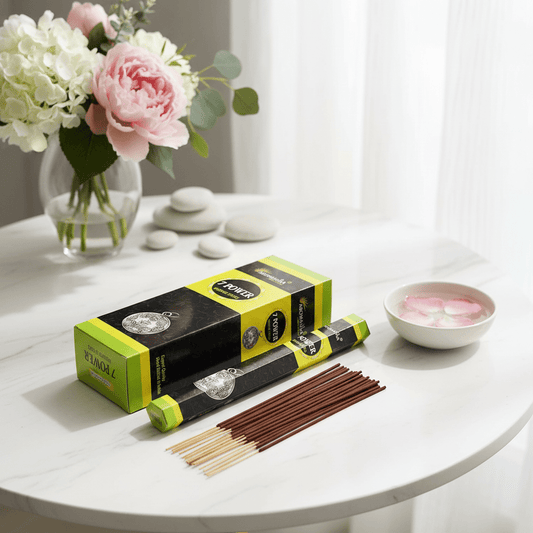
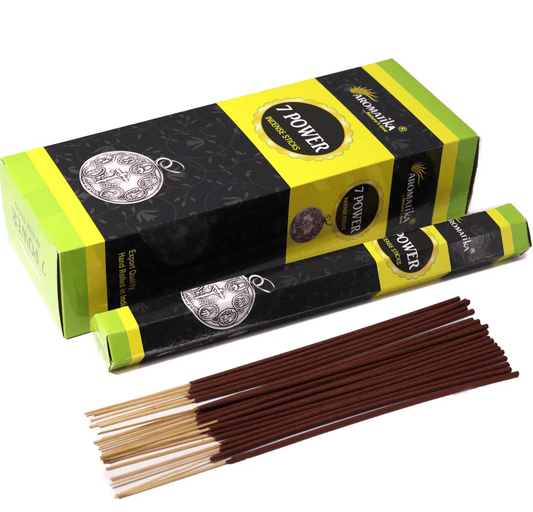
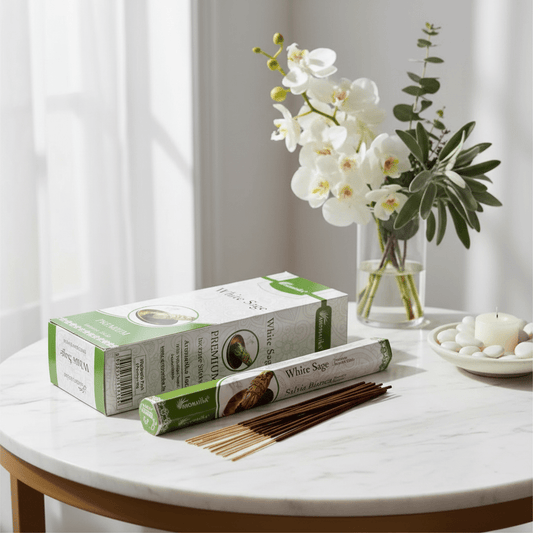
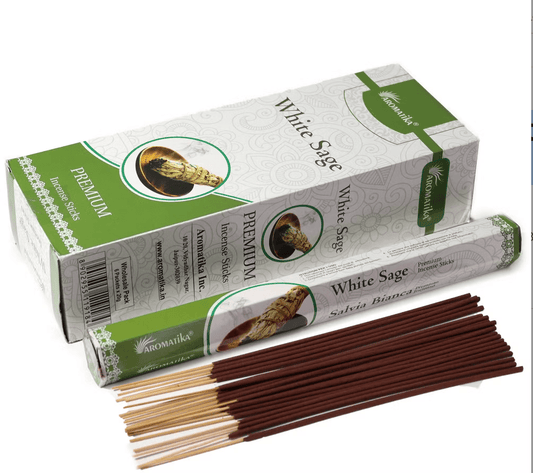
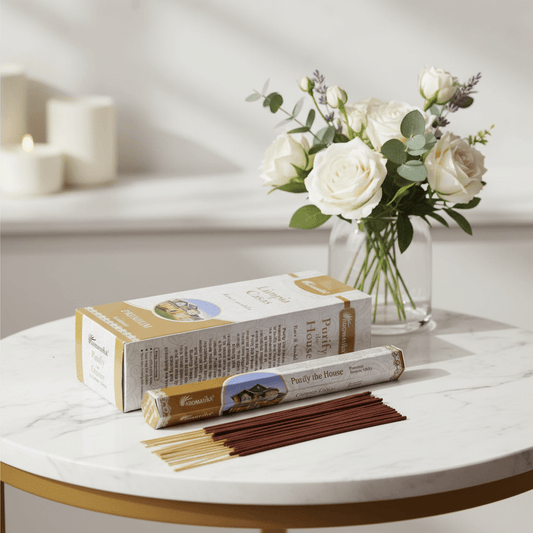
There is also room to make it personal. Some people want a ritual that feels spiritual, with crystals, incense or meditation. Others want something practical that helps the house feel fresher after work. Both count. The best ritual is the one that fits your routine and does not feel forced.
How to start aromatherapy rituals without overcomplicating it
The easiest way to begin is to match scent to a specific moment in your day. Morning, evening and bath time are the most natural starting points because they already exist in your routine. You are not adding a whole new habit. You are upgrading one.
Start by asking what you want the ritual to do. If the goal is focus, choose bright, clean, energising notes. If the goal is comfort, look for softer, warmer or more soothing blends. If the goal is sleep, keep everything gentle and calming. This part matters because buying by scent alone can lead to lovely products that never become part of daily life.
Keep your first set-up tight. One candle or one diffuser is enough. Add a second item only if it supports the same moment. For example, a bedtime ritual might include a room spray and a candle, while a post-work reset might work better with a reed diffuser that keeps the space consistently fragrant.
Build your first ritual around one intention
Aromatherapy rituals feel more meaningful when they have a purpose. That purpose does not need to be dramatic. It can be as simple as waking up with more clarity, marking the end of the workday, or creating a cleaner emotional break before sleep.
A morning ritual often benefits from fresher, brighter scents. You might open a window, switch on an electric diffuser and spend two minutes planning the day with a cup of tea. The scent becomes part of your start line.
An evening ritual is usually softer. Light a candle after tidying the room, put your phone aside for ten minutes and let the scent signal that the day is winding down. If you like a more spiritual rhythm, this can also be the moment for a crystal nearby, a short card pull or a few lines in a journal.
Bath rituals are ideal if you want a stronger sensory shift. Bath salts, a candle and steam carrying the fragrance through the room create an immediate change of atmosphere. If you are not a bath person, a shower oil can do the same job with less time.
Choosing the right products for your space and routine
Not every format suits every home, and that is where many beginners get stuck. Candles feel intimate and atmospheric, but they need your attention and are best when you want a defined pause in the day. Reed diffusers are low-effort and ideal if you want a background scent in places like the hallway or bedroom. Electric diffusers suit people who like adjusting blends depending on mood.
Room sprays are useful when you want impact straight away. They are especially handy for quick resets before guests arrive, before meditation, or just after finishing work in a multi-use room. Bath products work best when your ritual is body-focused rather than room-focused.
There is no prize for using every format. In fact, too many products at once can muddy the atmosphere. If your aim is calm, keep the set-up calm. One main scent and one supporting product is usually plenty.
How to layer scent without making it feel heavy
A common mistake when learning how to start aromatherapy rituals is trying to create a big effect by piling on too many fragrances. It usually works better to keep the scent family connected.
If you are using a floral or herbaceous candle in the bedroom, pair it with a similar room spray rather than something sharp and citrus-led. If your bathroom ritual leans fresh and clean, keep the whole experience in that direction. The goal is a mood, not a perfume counter.
It also helps to think about the size of the room. Stronger scents can feel beautiful in open living areas but overwhelming in small spaces. In a compact bedroom or bathroom, lighter application often gives a better result. Start with less than you think you need and build from there.
Create a ritual corner that invites you back
You do not need a dedicated wellness room. A tray on a bedside table, a tidy shelf in the bathroom or a small corner of a console table can be enough. What matters is visibility. If your candle, diffuser or bath salts are tucked away in a cupboard, the ritual will be easier to forget.
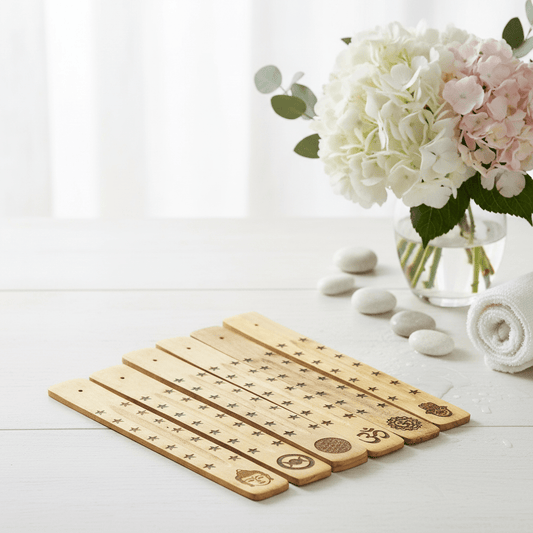
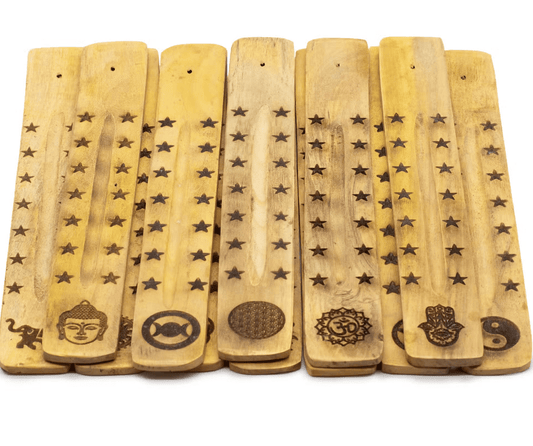
Keep that space edited. A match pot, your chosen scent product, perhaps a crystal or incense holder if that is your style - enough to feel curated, not crowded. This is one of those areas where less genuinely looks and feels better.
If gifting is part of how you shop, a ritual corner also makes it easier to spot what is missing. A candle paired with a bath product or diffuser often makes a stronger gift than a single item on its own because it already suggests how it should be used.
Make it easy enough to repeat
The real test of any ritual is whether you want to do it again on an ordinary Tuesday. That means removing friction. Keep your diffuser where the plug is easy to reach. Store your room spray where you actually pause. Put your candle on a stable surface you use regularly. Convenience is not boring - it is what turns a nice idea into a habit.
You can also tie the ritual to something fixed. Light a candle when you change into home clothes. Start your diffuser when you sit down to read. Use your shower oil before your evening skincare. Anchoring scent to an existing action gives it staying power.
If you miss a day, nothing is ruined. Aromatherapy rituals are there to support your routine, not give you another thing to fail at. Keep them flexible enough to suit your energy.
How to start aromatherapy rituals that feel more personal
Once the basic habit is there, you can make it more your own. Some people like to rotate scents by season, keeping brighter blends for warm weather and richer, cosier options for cooler months. Others build mini rituals around intention, choosing one scent for rest, another for focus and another for emotional reset.
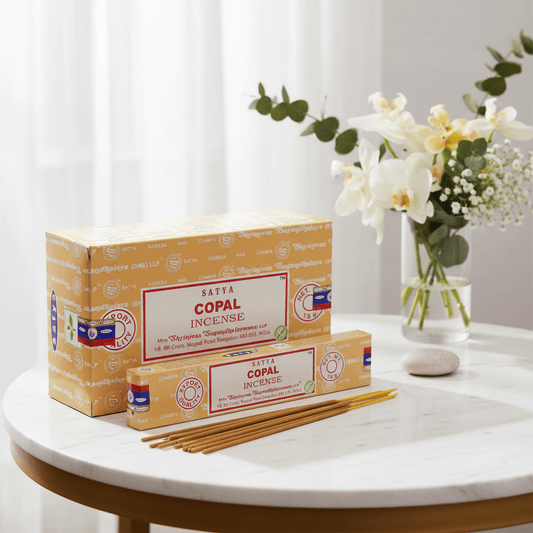
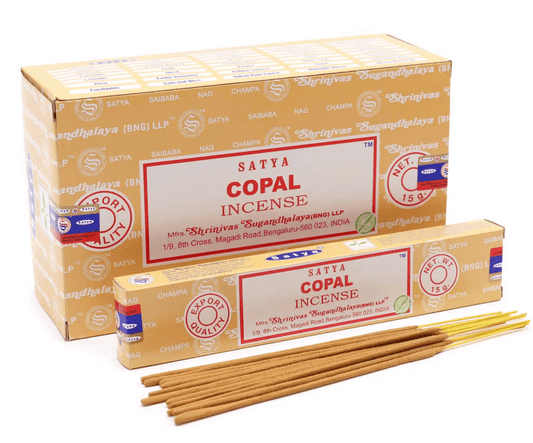
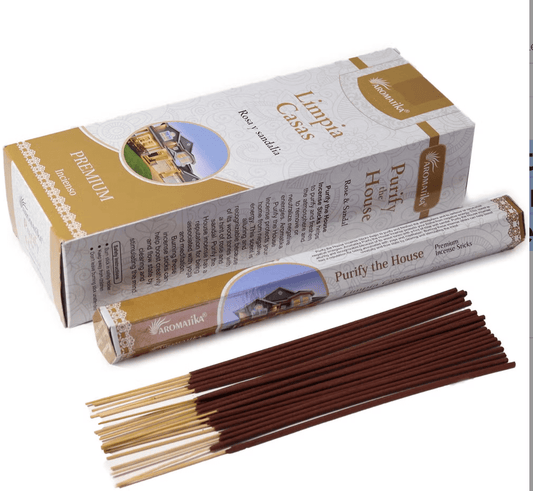
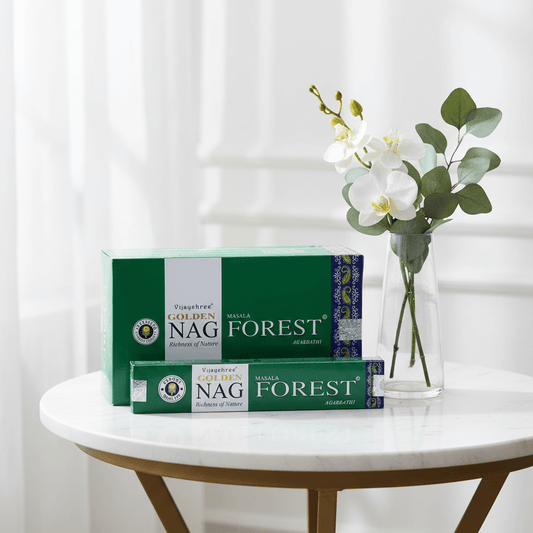
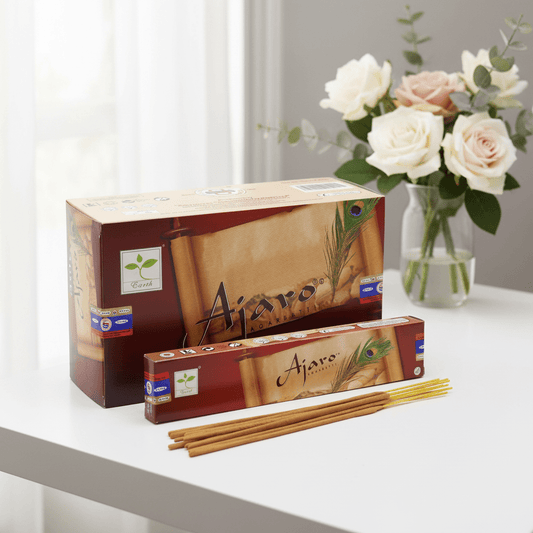
If you enjoy the spiritual side of self-care, this is where aromatherapy blends beautifully with incense, crystals or a short meditation practice. Auras Workshop naturally sits in that space between artisan fragrance and ritual living, so it makes sense to let your routine reflect both. The key is still restraint. Add meaning, not clutter.
For households with more than one person, it may also help to have zone-based rituals rather than one scent profile everywhere. Keep the bedroom calm, the living area welcoming and the bathroom fresh. That gives each room a job and makes your home feel intentionally curated.
When to refresh your ritual
If a ritual starts feeling flat, the answer is not always to buy more. Sometimes you simply need to change the time of day, switch the format or choose a scent that matches your current season of life a bit better. What felt comforting in winter might feel too dense in spring. What worked during a stressful month might not suit a lighter, busier one.
Trust that shift. Aromatherapy is personal, and your preferences will change. The ritual should evolve with you.
Start with one moment today - not next week, not when life gets quieter. Pick the part of your day that needs the most support, choose a scent that fits it, and let that be enough to begin. The best rituals are not the most elaborate ones. They are the ones you reach for without thinking, because they make home feel better the second they begin.