Direkt zum Inhalt
Black Tourmaline

Photo: Ivar Leidus / Wikimedia Commons (CC BY-SA 4.0)

Black Tourmaline

Also known as: Schorl

Striated black crystals of schorl – the most popular protection and grounding stone in crystal lore.

  • ColourBlack
  • Mineral groupTourmaline group (schorl)
  • ChemistryNaFe₃Al₆(Si₆O₁₈)(BO₃)₃(OH)₄
  • Hardness (Mohs)7–7.5
  • Crystal systemTrigonal
  • Where it's foundBrazil, Pakistan, Namibia, Madagascar, Afghanistan
  • ChakraRoot
  • ZodiacCapricorn, Libra
  • BirthstoneOctober (tourmaline)

What is Black Tourmaline?

Black tourmaline is schorl, the most common member of the tourmaline group. It grows as long prisms with distinctive parallel grooves (striations) and a rounded triangular cross-section, typically in granite pegmatites.

Tourmaline is piezoelectric and pyroelectric – squeezing or warming a crystal creates an electrical charge. Dutch traders in the 1700s used heated tourmaline to pull ash from their pipes, calling it aschentrekker. The name comes from the Sinhalese turamali.

Black Tourmaline astrology & birthstone

  • Zodiac signsCapricorn, Libra
  • Ruling planetSaturn
  • ElementEarth
  • Birthstone monthOctober (tourmaline)

Zodiac, planet and element links come from crystal-lore traditions and vary between authors. Birthstone months follow the American Gem Society list.

Black Tourmaline meaning & traditional properties

Black tourmaline is the classic protection stone in crystal traditions, associated with grounding, shielding against negativity and a feeling of safety at home.

  • Protection
  • Grounding
  • Cleansing

Traditional and metaphysical properties are shared for cultural and educational interest. Crystals are not a substitute for medical advice or treatment.

How to use Black Tourmaline

  • Place raw pieces at the corners of a room or by your front door.
  • Keep a stone near your workspace or bed.
  • Carry a tumbled piece for grounding on busy days.

How to care for Black Tourmaline

Hard (7–7.5) but brittle across the crystal. Avoid knocks and sudden temperature changes. Clean with water and a soft brush.

Shop Black Tourmaline

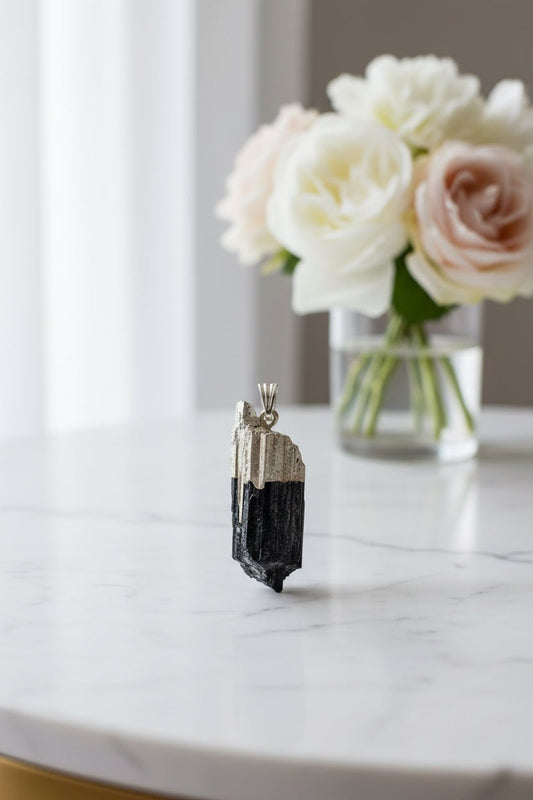
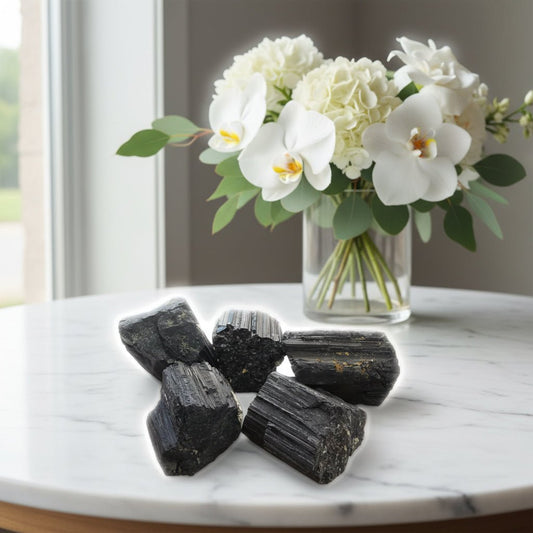
Hand-picked black tourmaline crystals and jewellery from our Paralimni workshop.

Rituals & pairings

Pair Black Tourmaline with a protection & cleansing ritual

A traditional cleansing ritual for resetting your space and feeling protected.

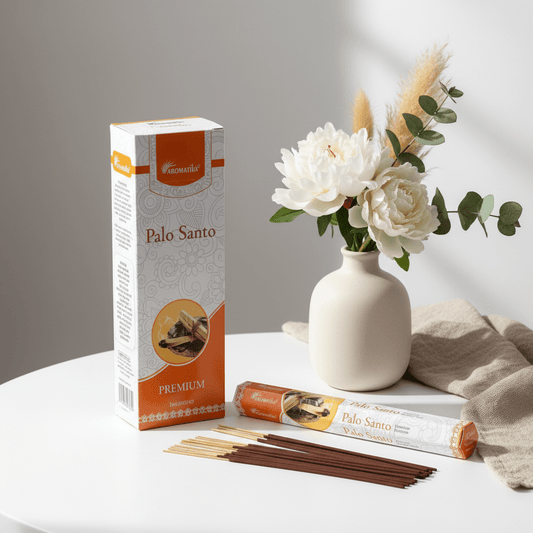
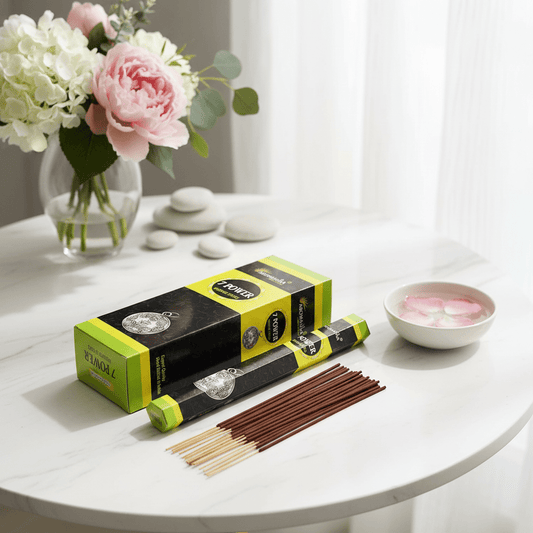
Traditionally paired with: White sage or palo santo smudge sticks · Dragon's blood, frankincense or myrrh incense · A white or black candle
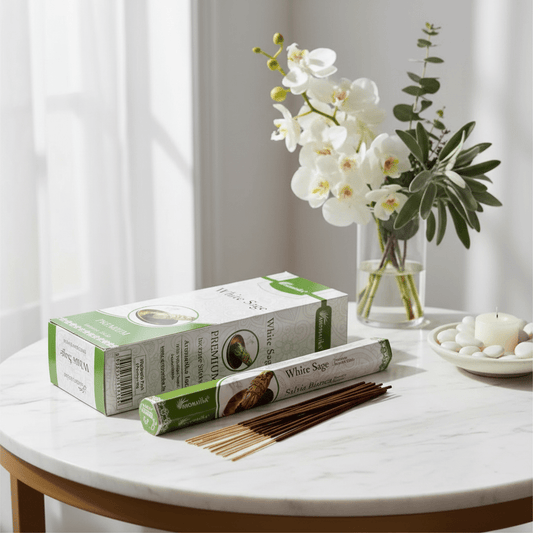
  • Open a window, then light a white sage or palo santo stick and let it smoulder.
  • Gently waft the smoke around your crystal and through the room, corners first.
  • Light a white candle and place your crystal beside it while you set a simple intention, such as "This space is calm and protected".
  • Finish with frankincense or dragon's blood incense and let it burn down safely.

Safety: never leave candles, incense or smudge sticks burning unattended, keep them away from children, pets and anything flammable, and ventilate the room. Rituals are shared as tradition, not as a treatment.

Ritual oils, essential oils & perfumes

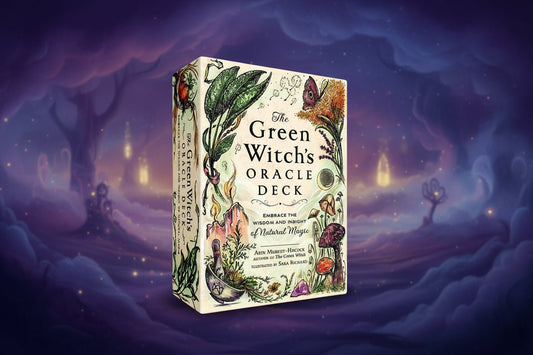
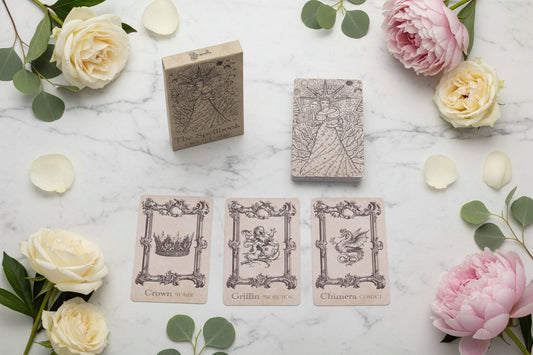
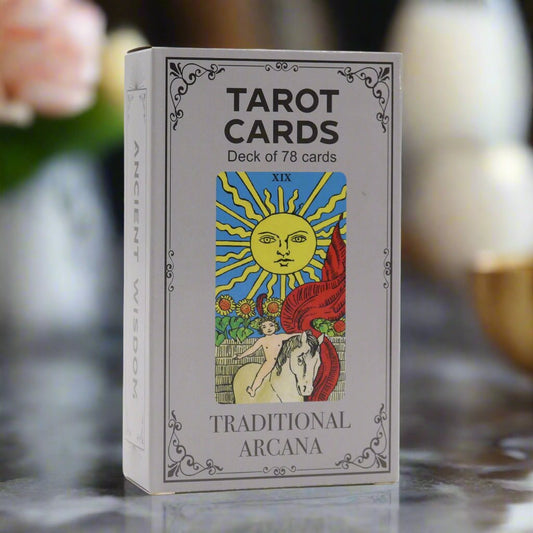
Deepen your practice: tarot & oracle cards

Wear it & work with it

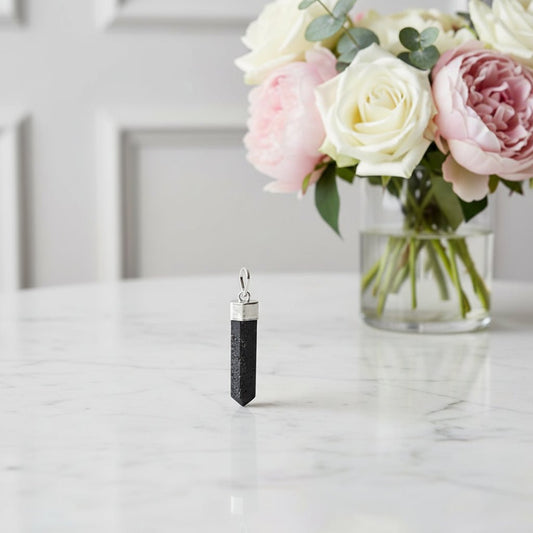
Black Tourmaline jewellery & pendulums

Black Tourmaline FAQs

Is black tourmaline the same as schorl?

Yes, schorl is the mineral name for iron-rich black tourmaline.

Is tourmaline really electrical?

Yes – tourmaline is piezoelectric and pyroelectric, producing charge when pressed or heated.

Related crystals

  • Nuummite

    Nuummite

    One of the oldest rocks on Earth, from Greenland, flashing with golden and blue light – a protective stone.

  • Chiastolite

    Chiastolite

    Andalusite with a natural dark cross inside – the traditional 'cross stone' of protection.

  • Staurolite

    Staurolite

    Crystals that naturally grow as crosses – the legendary 'fairy cross' of Virginia and Brittany.

  • Tourmalinated Quartz

    Tourmalinated Quartz

    Clear quartz threaded with black tourmaline needles – combining two of crystal lore's favourite stones.
Sources