Direkt zum Inhalt
Bismuth

Photo: Alchemist-hp (www.pse-mendelejew.de) + Richard Bartz with focus stack. / Wikimedia Commons (CC BY-SA 3.0)

Bismuth

Also known as: Bismuth crystal

Rainbow-coloured stepped 'hopper' crystals, grown from molten bismuth metal – a stunning man-made display piece.

  • ColourRainbow, Iridescent, Silver
  • Mineral groupNative element (metal)
  • ChemistryBi
  • Hardness (Mohs)2–2.5
  • Crystal systemTrigonal
  • Where it's foundLab-grown worldwide; natural bismuth from Bolivia, Australia, Germany
  • ChakraCrown

What is Bismuth?

The colourful, staircase-shaped bismuth crystals sold today are grown in a lab by melting bismuth metal and letting it cool slowly. The crystals grow faster at their edges, creating the stepped "hopper" shape, and a very thin layer of oxide on the surface splits light into rainbow colours – the same effect as a film of oil on water.

Natural bismuth exists but rarely forms these shapes. Bismuth is a heavy metal but is considered far less toxic than lead; it is even used in some stomach medicines.

Bismuth meaning & traditional properties

In modern crystal traditions bismuth is associated with transformation, creativity and joy. As a lab-grown crystal, it has no traditional astrology.

  • Transformation
  • Creativity
  • Joy

Traditional and metaphysical properties are shared for cultural and educational interest. Crystals are not a substitute for medical advice or treatment.

How to use Bismuth

  • Display a bismuth crystal where light shows its colours.

How to care for Bismuth

Soft and brittle – the thin points break easily. Handle gently and dust with a soft brush.

Looking for Bismuth?

Bismuth isn't in our shop right now – new stock arrives regularly. In the meantime, explore similar crystals we have available or browse our full crystal collection.

  • Pyrite
    In our shop

    Pyrite

    Brassy 'fool's gold' that grows in natural perfect cubes – the crystal lore stone of abundance and confidence.

  • Hematite
    In our shop

    Hematite

    Metallic iron oxide – the main ore of iron, found even on Mars, and a classic grounding stone.

  • Labradorite
    In our shop

    Labradorite

    Grey feldspar that flashes blue, green and gold – the 'northern lights' stone of transformation and intuition.

Rituals & pairings

Pair Bismuth with a energy & motivation ritual

A bright morning ritual to wake up your energy and motivation.

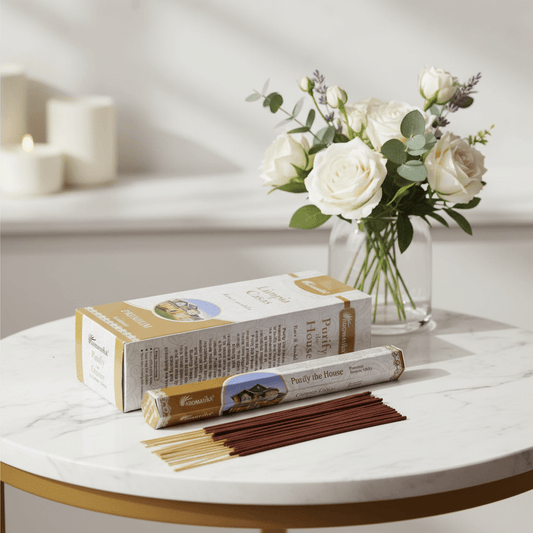
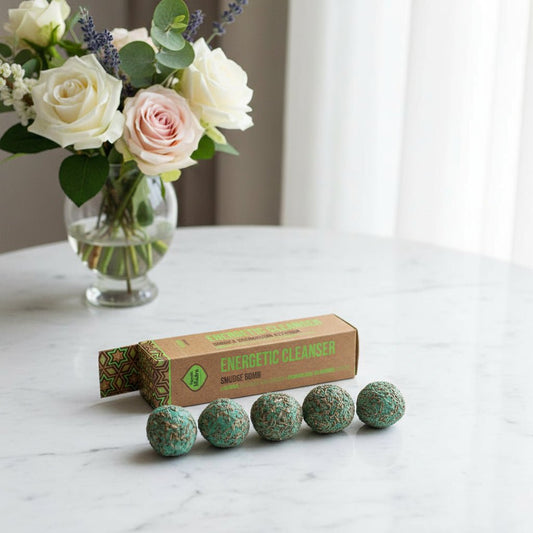
Traditionally paired with: Lemongrass, citrus, mint or eucalyptus incense · An orange or yellow candle · Palo santo
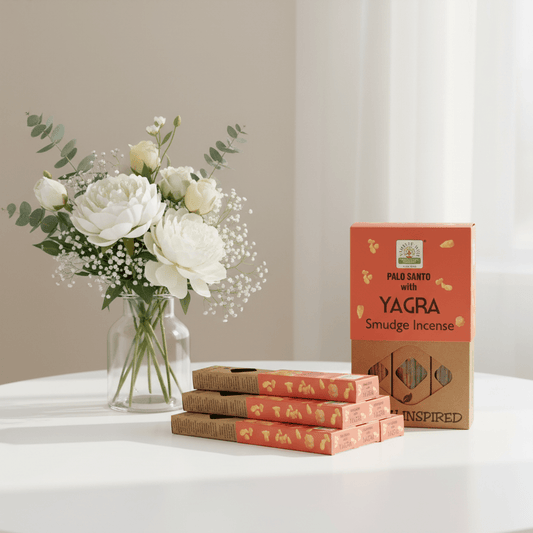
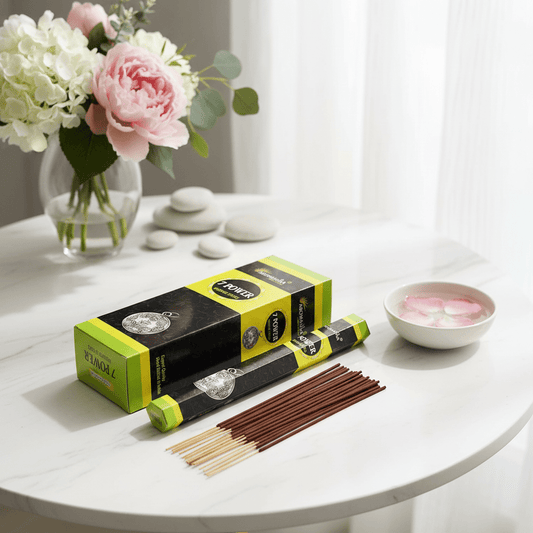
  • Open the curtains and clear the space with palo santo.
  • Light an orange or yellow candle and citrus, lemongrass or eucalyptus incense.
  • Hold your crystal and name one thing you'll get done today.
  • Carry the crystal with you as your reminder.

Safety: never leave candles, incense or smudge sticks burning unattended, keep them away from children, pets and anything flammable, and ventilate the room. Rituals are shared as tradition, not as a treatment.

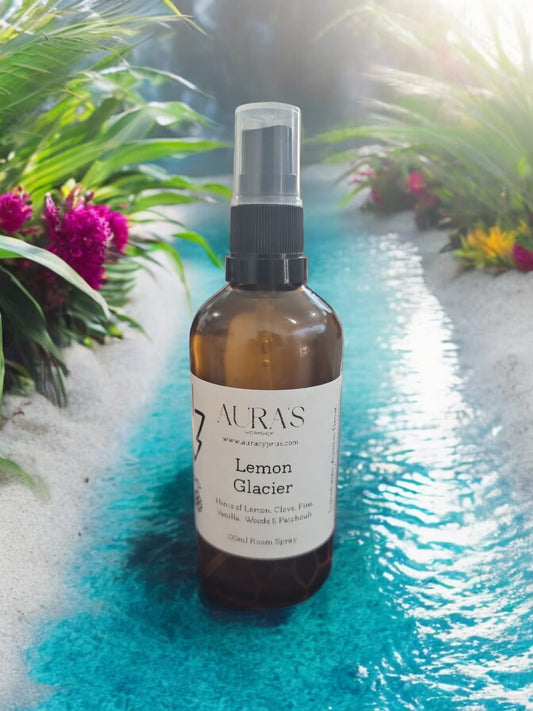
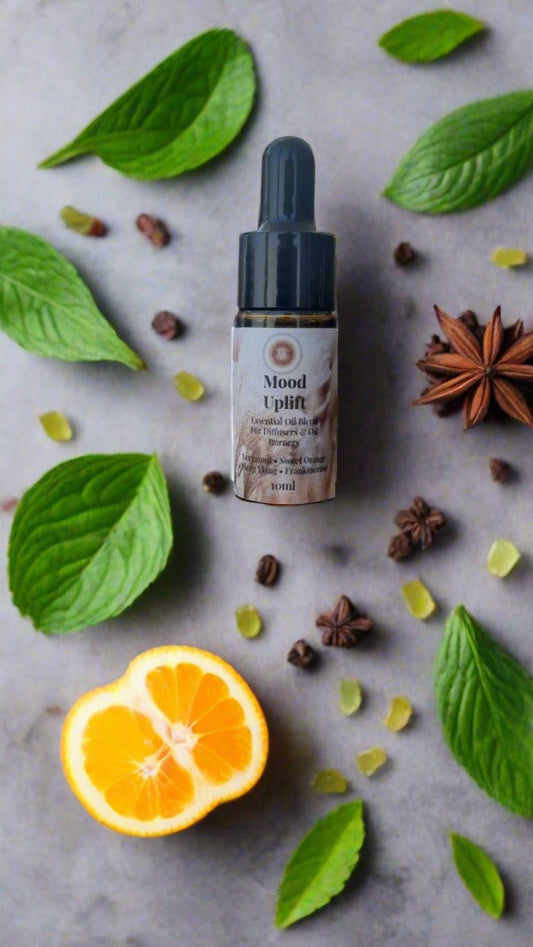
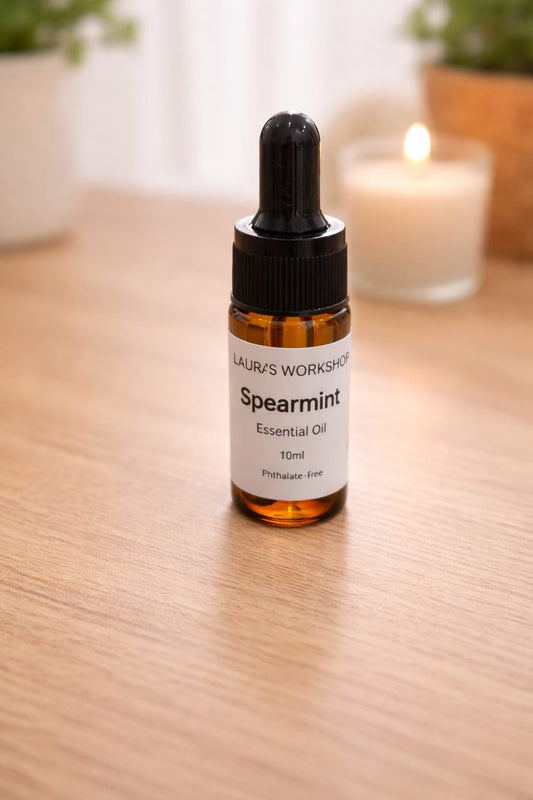
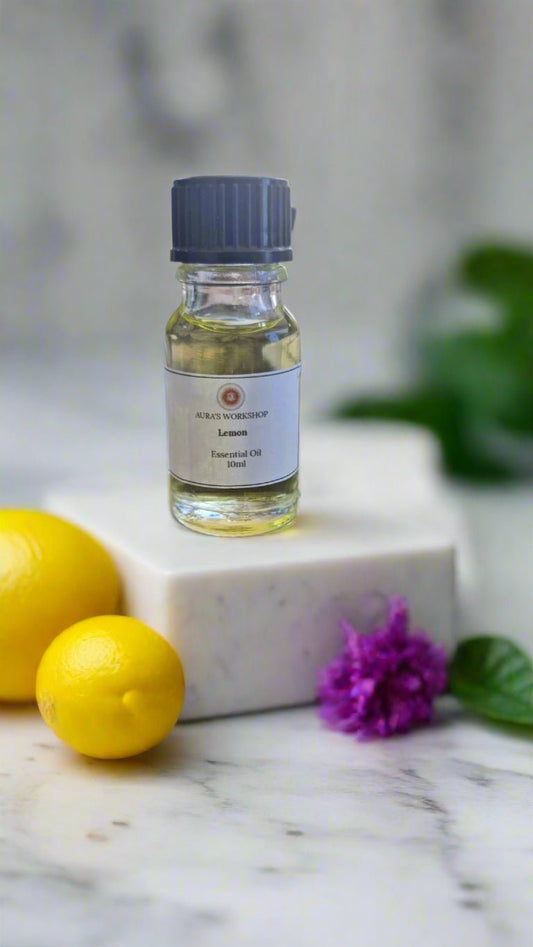
Ritual oils, essential oils & perfumes

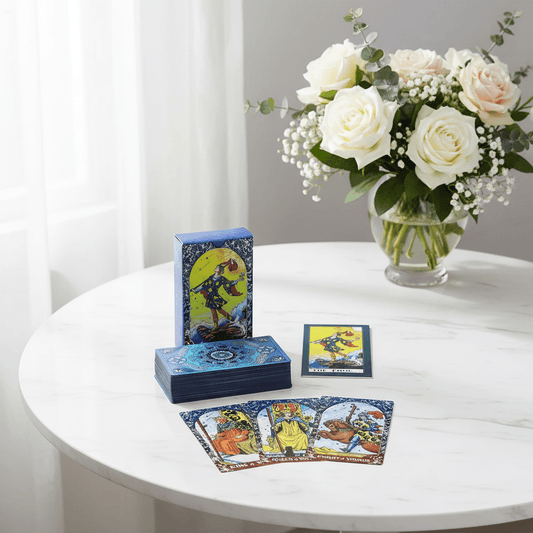
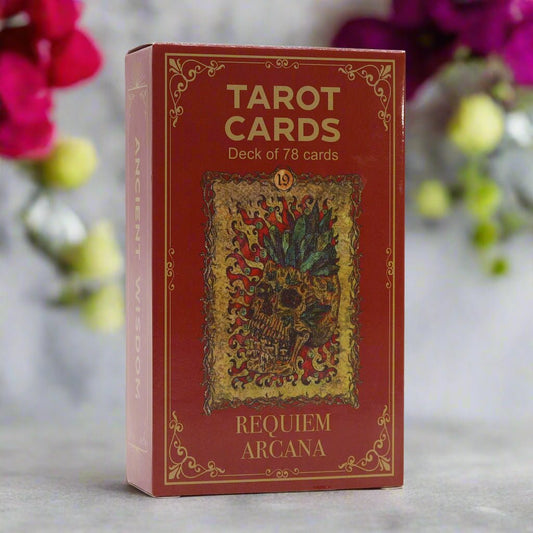
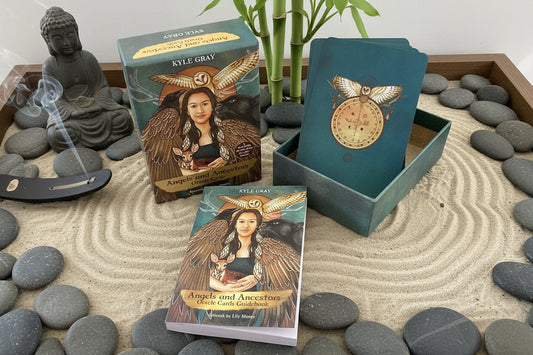
Deepen your practice: tarot & oracle cards

Wear it & work with it

Bismuth jewellery & pendulums

Wear the energy of your favourite crystals every day – browse our handmade crystal jewellery and dowsing pendulums.

Bismuth FAQs

Are bismuth crystals natural?

The rainbow hopper crystals are lab-grown from real bismuth metal.

Why is bismuth rainbow coloured?

A very thin oxide layer on the surface splits light into colours.

Related crystals

  • Pyrite
    In our shop

    Pyrite

    Brassy 'fool's gold' that grows in natural perfect cubes – the crystal lore stone of abundance and confidence.

  • Hematite
    In our shop

    Hematite

    Metallic iron oxide – the main ore of iron, found even on Mars, and a classic grounding stone.

  • Labradorite
    In our shop

    Labradorite

    Grey feldspar that flashes blue, green and gold – the 'northern lights' stone of transformation and intuition.

  • Aura Quartz

    Aura Quartz

    Clear quartz given a shimmering rainbow or metallic coating by bonding vaporised metals to its surface.
Sources