Απευθείας μετάβαση στο περιεχόμενο
Hematite

Photo: Eric Polk / Wikimedia Commons (CC BY-SA 4.0)

Hematite

Also known as: Haematite

Metallic iron oxide – the main ore of iron, found even on Mars, and a classic grounding stone.

  • ColourSilver-grey, Black, Red-brown
  • Mineral groupOxide
  • ChemistryFe₂O₃
  • Hardness (Mohs)5–6
  • Crystal systemTrigonal
  • Where it's foundBrazil, Australia, England, USA, Canada
  • ChakraRoot
  • ZodiacAries, Aquarius

What is Hematite?

Hematite is iron oxide and the world's most important iron ore. Polished, it has a mirror-like metallic shine, but when scratched on unglazed porcelain it leaves a blood-red streak – the name comes from the Greek haima, "blood". Ground hematite was one of humanity's first paints: red ochre in prehistoric cave art.

Hematite has also been found on Mars, where NASA's Opportunity rover discovered tiny hematite spheres in 2004 – evidence of past water.

Note: the strongly magnetic "hematite" beads sold widely are usually man-made ("hematine"); natural hematite is only weakly magnetic.

Hematite astrology & birthstone

  • Zodiac signsAries, Aquarius
  • Ruling planetMars
  • ElementEarth
  • Birthstone month—

Zodiac, planet and element links come from crystal-lore traditions and vary between authors. Birthstone months follow the American Gem Society list.

Hematite meaning & traditional properties

Hematite is a classic grounding stone in crystal traditions, associated with focus, strength and feeling centred.

  • Grounding
  • Focus
  • Strength

Traditional and metaphysical properties are shared for cultural and educational interest. Crystals are not a substitute for medical advice or treatment.

How to use Hematite

  • Wear a hematite bracelet for grounding on busy days.
  • Hold a palm stone during meditation to feel settled.

How to care for Hematite

Keep hematite dry – it can rust. It's brittle and may break if dropped. Wipe with a dry soft cloth.

Shop Hematite

Hand-picked hematite crystals and jewellery from our Paralimni workshop.

Rituals & pairings

Pair Hematite with a protection & cleansing ritual

A traditional cleansing ritual for resetting your space and feeling protected.

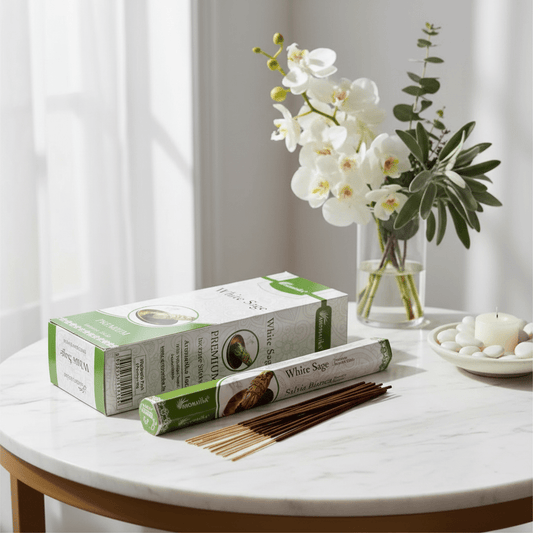
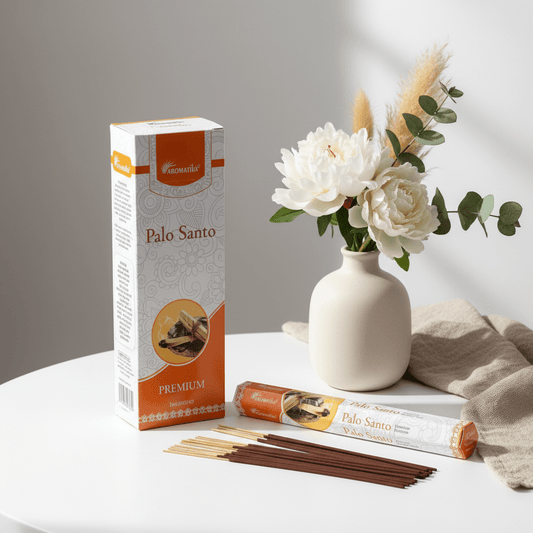
Traditionally paired with: White sage or palo santo smudge sticks · Dragon's blood, frankincense or myrrh incense · A white or black candle

  • Open a window, then light a white sage or palo santo stick and let it smoulder.
  • Gently waft the smoke around your crystal and through the room, corners first.
  • Light a white candle and place your crystal beside it while you set a simple intention, such as "This space is calm and protected".
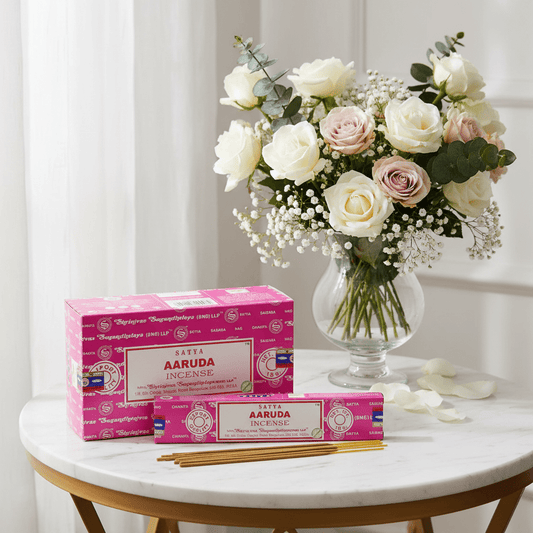
  • Finish with frankincense or dragon's blood incense and let it burn down safely.

Safety: never leave candles, incense or smudge sticks burning unattended, keep them away from children, pets and anything flammable, and ventilate the room. Rituals are shared as tradition, not as a treatment.

Ritual oils, essential oils & perfumes

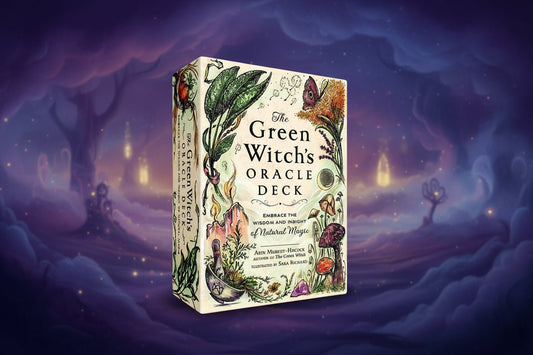
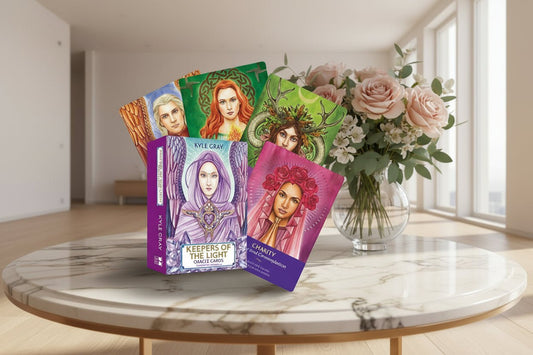
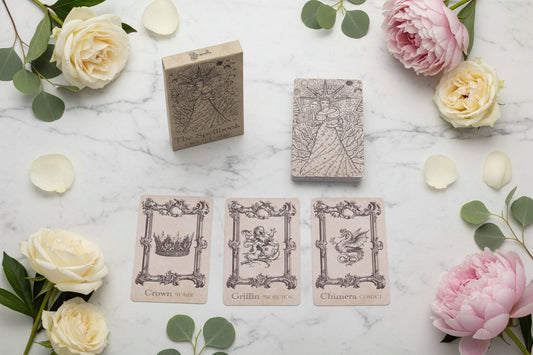
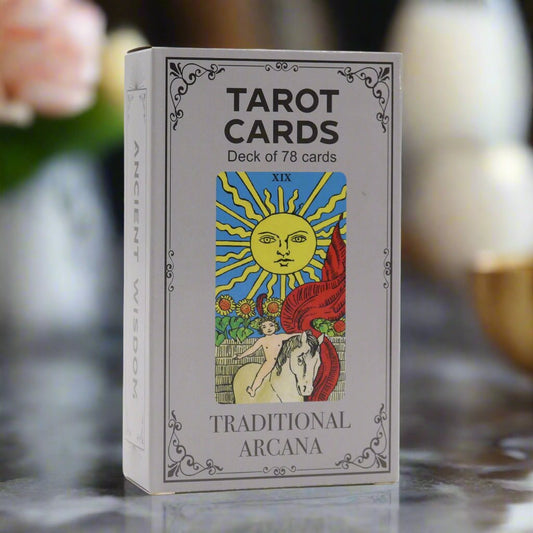
Deepen your practice: tarot & oracle cards

Wear it & work with it

Hematite jewellery & pendulums

    Wear the energy of your favourite crystals every day – browse our handmade crystal jewellery and dowsing pendulums.

    Hematite FAQs

    Is hematite magnetic?

    Natural hematite is only weakly magnetic; strongly magnetic beads are usually man-made.

    Can hematite go in water?

    Avoid it – hematite can rust.

    Related crystals

    • Magnetite (Lodestone)

      Magnetite (Lodestone)

      The most magnetic natural mineral – naturally magnetised lodestone made the world's first compasses.

    • Pyrite
      In our shop

      Pyrite

      Brassy 'fool's gold' that grows in natural perfect cubes – the crystal lore stone of abundance and confidence.

    • Black Tourmaline
      In our shop

      Black Tourmaline

      Striated black crystals of schorl – the most popular protection and grounding stone in crystal lore.

    • Shungite
      In our shop

      Shungite

      Ancient carbon-rich black rock from Karelia, Russia – popular in crystal lore for protection and purification.

    Sources