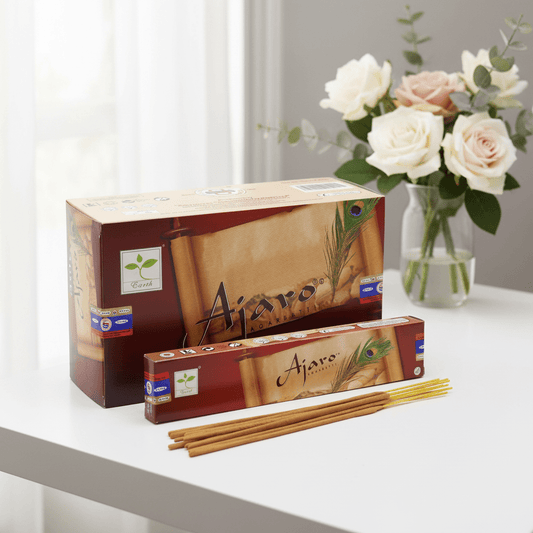
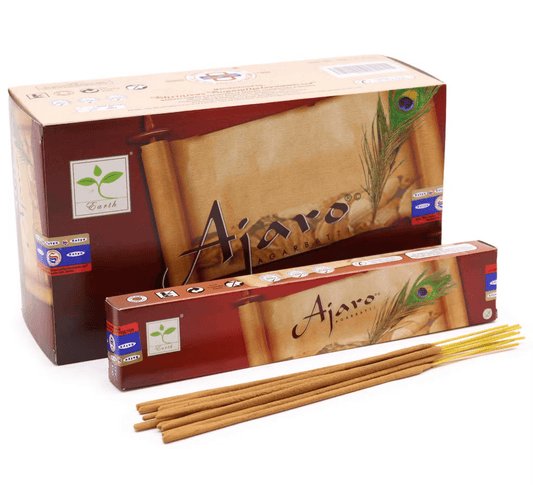
Ορισμένα θυμιάματα καθαρίζουν τον χώρο. Ορισμένα θυμιάματα ηρεμούν το μυαλό. Αν αναζητάτε το καλύτερο θυμίαμα για την πρακτική του διαλογισμού, η διαφορά έχει μεγαλύτερη σημασία από ό,τι πιστεύουν οι άνθρωποι. Ένα άρωμα που είναι υπέροχο κατά τη διάρκεια της ημέρας μπορεί να φαίνεται πολύ γλυκό, καπνιστό ή αποσπαστικό μόλις καθίσετε για να αναπνεύσετε, να εστιάσετε και να παραμείνετε ακίνητοι για δέκα λεπτά.
Ο διαλογισμός είναι προσωπική υπόθεση, οπότε το θυμίαμά σας πρέπει να υποστηρίζει τη διάθεση που θέλετε να δημιουργήσετε και όχι να την επισκιάζει. Για ορισμένους, αυτό σημαίνει γήινα ξύλα. Για άλλους, σημαίνει απαλά άνθη ή πλούσια σε ρητίνες μείγματα που κάνουν το δωμάτιο να φαίνεται ήσυχο και συγκρατημένο. Ο στόχος δεν είναι να γεμίσετε κάθε γωνιά με άρωμα. Ο στόχος είναι να βοηθήσετε το σώμα σας να αναγνωρίσει ότι είναι ώρα να επιβραδύνει.
Τι κάνει το καλύτερο θυμίαμα για την πρακτική του διαλογισμού;
Το καλύτερο θυμίαμα διαλογισμού συνήθως κάνει τρία πράγματα καλά. Πρώτον, δημιουργεί ατμόσφαιρα γρήγορα, έτσι ώστε ο χώρος σας να αισθάνεται σκόπιμα διαφορετικός από την υπόλοιπη ημέρα. Δεύτερον, παραμένει αρκετά απαλό ώστε η προσοχή σας να μπορεί να εστιάζει στην αναπνοή, το μάντρα ή την οπτικοποίηση και όχι στο ίδιο το άρωμα. Τρίτον, ταιριάζει με το είδος του διαλογισμού που κάνετε πραγματικά.
Αυτό το τελευταίο σημείο είναι όπου πολλοί άνθρωποι κολλάνε. Μια βαθιά συνεδρία γείωσης μετά τη δουλειά μπορεί να απαιτεί κάτι γήινο και ζεστό. Ο πρωινός διαλογισμός συχνά ταιριάζει με πιο καθαρές, ελαφριές νότες. Εάν η πρακτική σας περιλαμβάνει προσευχή, ημερολόγιο, εργασία με τα τσάκρα ή ανάκλαση ταρώ, μπορεί να προτιμάτε θυμίαμα με πιο τελετουργική αίσθηση.
Υπάρχει επίσης μια πρακτική πλευρά. Ο εξαερισμός, το μέγεθος του δωματίου και ο χρόνος καύσης έχουν σημασία. Σε ένα μικρό υπνοδωμάτιο, ένα βαρύ ραβδί ρητίνης μπορεί να φαίνεται πολύ πυκνό. Σε ένα μεγαλύτερο ενιαίο δωμάτιο, ένα ελαφρύτερο βοτανικό άρωμα μπορεί να εξαφανιστεί πολύ γρήγορα. Εξαρτάται από τον χώρο σας όσο και από το γούστο σας.
7 αρώματα που αξίζει να δοκιμάσετε
Σανδαλόξυλο
Αν θέλετε ένα αξιόπιστο σημείο εκκίνησης, το σανδαλόξυλο είναι συνήθως αυτό. Έχει μια απαλή, κρεμώδη ξυλώδη νότα που δίνει αίσθηση γείωσης χωρίς να γίνεται σκληρή. Αυτό το καθιστά ιδιαίτερα καλό για αναπνοή, σιωπηλό διαλογισμό και βραδινές ρουτίνες όταν θέλετε το υπόλοιπο δωμάτιο να γίνει πιο απαλό.
Το σανδαλόξυλο τείνει επίσης να δίνει μια αίσθηση ισορροπίας. Δεν είναι υπερβολικά λουλουδένιο, ούτε έντονα βοτανικό, ούτε πολύ γλυκό, οπότε ταιριάζει σε ένα ευρύ φάσμα ανθρώπων. Αν χτίζετε μια γωνιά τελετουργικών από το μηδέν, αυτό είναι συχνά το άρωμα που αποκτά μόνιμη θέση.
Λιβάνι
Το λιβάνι έχει έναν πιο ιερό, ρητινώδη χαρακτήρα. Προσφέρει βάθος σε μια συνεδρία διαλογισμού και συχνά ταιριάζει σε ανθρώπους που θέλουν η πρακτική τους να έχει μια αίσθηση αφοσίωσης, ευρυχωρίας ή ενεργειακής εστίασης. Αν εργάζεστε με καθορισμό προθέσεων, τελετουργίες καθαρισμού ή αργές αναστοχαστικές συνεδρίες, το λιβάνι μπορεί να είναι μια ισχυρή επιλογή.
Το αντιστάθμισμα είναι η ένταση. Σε ένα πολύ μικρό χώρο, μπορεί να γίνει αρκετά έντονο γρήγορα, οπότε χρησιμοποιήστε το με ελαφρύ χέρι αν είστε ευαίσθητοι σε ισχυρότερα αρώματα.
Ναγκ Τσάμπα
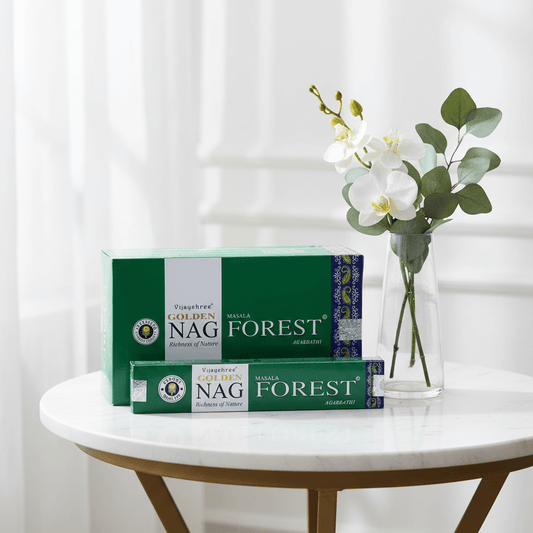
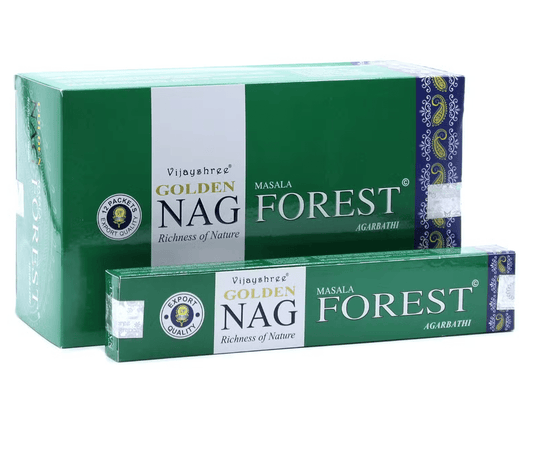
Το Nag champa είναι ένα κλασικό για έναν λόγο. Έχει αυτή την αναγνωρίσιμη απαλή-γήινη, ελαφρώς λουλουδάτη ζεστασιά που πολλοί άνθρωποι συνδέουν με στούντιο γιόγκα και πνευματικά καταστήματα. Για διαλογισμό, μπορεί να λειτουργήσει υπέροχα όταν θέλετε μια ζεστή, οικεία ατμόσφαιρα που σας βοηθά να βγείτε γρήγορα από την καθημερινή λειτουργία.
Αυτή είναι μια καλή επιλογή αν το μυαλό σας τείνει να τρέχει και χρειάζεστε μια ισχυρότερη αισθητηριακή ένδειξη για να ηρεμήσετε. Απλά να γνωρίζετε ότι δεν καίγονται όλα τα μείγματα με τον ίδιο τρόπο. Ορισμένα έχουν πιο απαλή και κρεμώδη αίσθηση, ενώ άλλα είναι πιο πουδρένια ή έντονα.
Λεβάντα
Για τον βραδινό διαλογισμό, η λεβάντα είναι δύσκολο να αγνοηθεί. Έχει μια πιο ήρεμη, πιο απαλή ενέργεια από τα θυμιάματα με βάση το ξύλο ή τη ρητίνη και συνδυάζεται φυσικά με την ξεκούραση, τη χαλάρωση και τις τελετουργίες ύπνου. Αν ο διαλογισμός σας αφορά λιγότερο την έντονη συγκέντρωση και περισσότερο την απελευθέρωση του στρες, η λεβάντα έχει πολύ νόημα.
Μπορεί να είναι ιδιαίτερα χρήσιμη αν ήδη χρησιμοποιείτε λεβάντα σε σπρέι δωματίου, τελετουργίες μπάνιου ή σπρέι μαξιλαριού. Η διατήρηση της ίδιας οικογένειας αρωμάτων σε όλη σας τη ρουτίνα βοηθά τον εγκέφαλό σας να συνδέσει το άρωμα με την ηρεμία πιο γρήγορα.
Πατσουλί
Το πατσουλί είναι γήινο, με γείωση και λίγο πιο μελαγχολικό. Ταιριάζει σε διαλογισμούς όπου θέλετε να αισθάνεστε σταθεροί, προστατευμένοι και πλήρως παρόντες στο σώμα. Αν τείνετε να αισθάνεστε διασκορπισμένοι, το πατσουλί μπορεί να βοηθήσει στη δημιουργία μιας πιο πυκνής, πιο ριζωμένης ατμόσφαιρας.
Ωστόσο, δεν είναι η πρώτη επιλογή για όλους. Το πατσουλί έχει μια ξεχωριστή προσωπικότητα, και αν προτιμάτε πιο καθαρά ή ελαφριά αρώματα, μπορεί να φαίνεται πολύ βαρύ. Όταν λειτουργεί, λειτουργεί πραγματικά. Όταν δεν λειτουργεί, θα το καταλάβετε αμέσως.
Τριαντάφυλλο
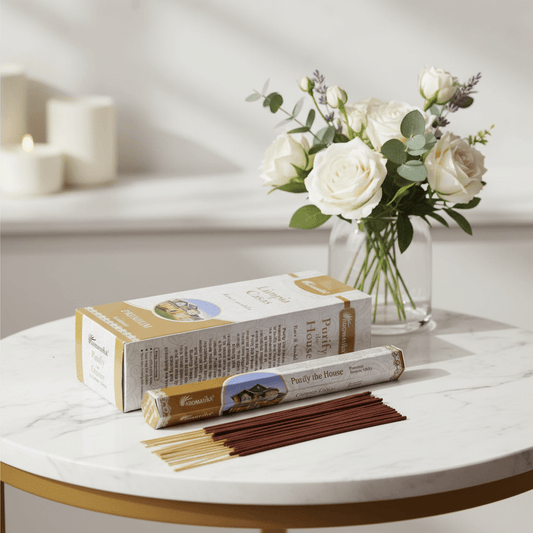
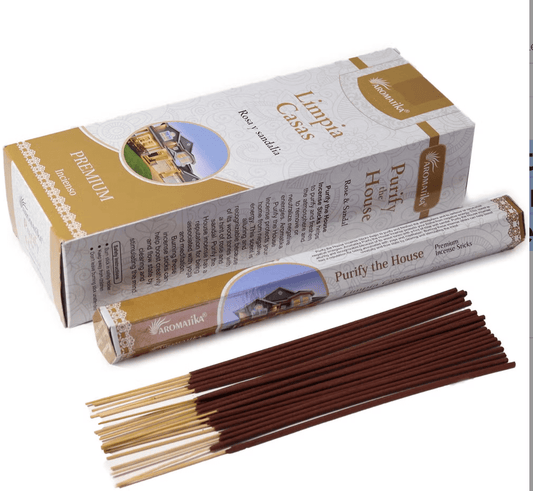
Το θυμίαμα τριαντάφυλλου φέρνει μια πολύ διαφορετική ενέργεια στο διαλογισμό. Είναι πιο απαλό, με επίκεντρο την καρδιά και συναισθηματικά ανοιχτό. Αν η πρακτική σας περιλαμβάνει εργασία αυτοαγάπης, ευγνωμοσύνης, απαλών επιβεβαιώσεων ή εστίαση στο τσάκρα της καρδιάς, το τριαντάφυλλο μπορεί να είναι υπέροχα υποστηρικτικό.
Το κλειδί είναι η ισορροπία. Ένα καλοφτιαγμένο θυμίαμα τριαντάφυλλου πρέπει να είναι κομψό και όχι ζαχαρούχο. Χρησιμοποιούμενο σωστά, μετατρέπει έναν σύντομο διαλογισμό σε κάτι πιο θρεπτικό και σκόπιμο.
Κέδρος ή άλλα ιερά ξύλα
Ο κέδρος προσφέρει μια ξηρή, καθαρή ξυλώδη νότα που δίνει μια αίσθηση σταθερότητας και διαύγειας. Λειτουργεί καλά για την πρωινή πρακτική, τη γειωτική οπτικοποίηση και το διαλογισμό μετά από μια κουραστική ή υπερδιεγερτική μέρα. Σε σύγκριση με τα πιο γλυκά ξύλα, ο κέδρος συχνά αισθάνεται λίγο πιο τραγανός και ευρύχωρος.
Αν αγαπάτε τα γήινα αρώματα αλλά θέλετε κάτι λιγότερο κρεμώδες από το σανδαλόξυλο ή λιγότερο έντονο από το πατσουλί, ο κέδρος μπορεί να είναι το ιδανικό σημείο.
Πώς να επιλέξετε το καλύτερο θυμίαμα για την πρακτική του διαλογισμού στο σπίτι
Η επιλογή του θυμιάματος αφορά λιγότερο την αναζήτηση ενός μόνο τέλειου αρώματος και περισσότερο την αντιστοίχιση του αρώματος με το τελετουργικό. Ξεκινήστε με το είδος της ατμόσφαιρας που θέλετε. Αν θέλετε ηρεμία και βάθος, επιλέξτε ξύλα και ρητίνες. Αν θέλετε απαλότητα και συναισθηματική άνεση, τα λουλουδάτα μπορεί να σας ταιριάζουν καλύτερα. Αν θέλετε μια οικεία πνευματική αίσθηση, τα παραδοσιακά μείγματα όπως το ναγκ τσάμπα συχνά προσφέρουν γρήγορα.
Στη συνέχεια, σκεφτείτε τον χρόνο. Ο πρωινός διαλογισμός συνήθως επωφελείται από πιο καθαρά, ελαφρύτερα ή πιο διαυγή αρώματα. Η βραδινή πρακτική μπορεί να αντέξει πιο ζεστές, πιο γεμάτες νότες επειδή προσπαθείτε να χαλαρώσετε και όχι να τονωθείτε. Αυτή η μικρή προσαρμογή μπορεί να κάνει τη ρουτίνα σας να αισθάνεται πιο φυσική.
Η ευαισθησία σας έχει επίσης σημασία. Εάν τα έντονα αρώματα σας αποσπούν την προσοχή, επιλέξτε πιο απαλό θυμίαμα και κάψτε το για μικρότερο χρονικό διάστημα πριν ξεκινήσετε το διαλογισμό. Δεν χρειάζεται το ραβδί να καίει καθ' όλη τη διάρκεια της συνεδρίας. Συχνά, η ελαφριά αρωματική ατμόσφαιρα στο δωμάτιο πρώτα δίνει καλύτερο αποτέλεσμα από το να διατηρείτε έναν συνεχή καπνό δίπλα σας.
Εάν δημιουργείτε ένα πιο ολοκληρωμένο τελετουργικό αυτοφροντίδας, βοηθά επίσης να συντονίζετε τα προϊόντα σας. Θυμίαμα, κεριά, έλαια και προϊόντα μπάνιου σε συμβατές οικογένειες αρωμάτων μπορούν να κάνουν το σπίτι σας να αισθάνεται πιο σκόπιμα επιμελημένο, κάτι που είναι πολύ σημαντικό. Το Auras Workshop ακολουθεί αυτή την προσέγγιση τελετουργικού-και-αρώματος σπιτιού ακριβώς για αυτόν τον λόγο.
Κοινά λάθη κατά τη χρήση θυμιάματος διαλογισμού
Ένα από τα μεγαλύτερα λάθη είναι να επιλέγετε θυμίαμα επειδή μυρίζει εντυπωσιακά αντί επειδή σας προσφέρει υποστήριξη. Έντονο άρωμα δεν σημαίνει πάντα καλύτερο. Κατά τη διάρκεια του διαλογισμού, οτιδήποτε σας τραβάει την προσοχή προς τα έξω πιθανότατα δεν είναι η σωστή επιλογή.
Ένα άλλο κοινό πρόβλημα είναι η χρήση υπερβολικής ποσότητας σε κλειστό δωμάτιο. Ακόμα και τα χαλαρωτικά αρώματα μπορούν να γίνουν συντριπτικά αν ο χώρος είναι μικρός ή δεν αερίζεται καλά. Ένα ελαφρώς ανοιχτό παράθυρο ή λίγη απόσταση ανάμεσα σε εσάς και τον καυστήρα μπορεί να κάνει την εμπειρία πολύ πιο άνετη.
Οι άνθρωποι επίσης ξεχνούν ότι η μνήμη της μυρωδιάς είναι ισχυρή. Αν χρησιμοποιείτε το ίδιο θυμίαμα ενώ εργάζεστε, καθαρίζετε και διαλογίζεστε, χάνει ένα μέρος της τελετουργικής του επίδρασης. Η διατήρηση ενός ή δύο αρωμάτων μόνο για την πρακτική μπορεί να βοηθήσει το μυαλό σας να μεταβεί πιο γρήγορα όταν έρθει η ώρα να καθίσετε.
Δημιουργία ενός απλού τελετουργικού θυμιάματος πριν τον διαλογισμό
Δεν χρειάζεστε μια περίπλοκη τελετή. Ανάψτε το θυμίαμα, αφήστε το να καεί για μια στιγμή και μετά τοποθετήστε το με ασφάλεια σε μια βάση. Αφιερώστε αυτό το πρώτο λεπτό για να τακτοποιήσετε το μαξιλάρι σας, να κλείσετε το τηλέφωνό σας και να επιλέξετε την πρόθεσή σας για τη συνεδρία. Μέχρι να καθίσετε, το δωμάτιο ήδη αισθάνεται διαφορετικό.
Εδώ η συνέπεια έχει μεγαλύτερη σημασία από την τελειότητα. Το ίδιο άρωμα που χρησιμοποιείται στο ίδιο σημείο της ρουτίνας σας γίνεται ένα σήμα. Με τον καιρό, το σώμα σας αρχίζει να ανταποκρίνεται πριν καν ξεκινήσει ο διαλογισμός. Τότε το θυμίαμα παύει να είναι απλώς ένα αρωματικό προϊόν και αρχίζει να γίνεται μέρος της ίδιας της πρακτικής.
Αν είστε νέοι στον διαλογισμό, ξεκινήστε με μια επιλογή γείωσης και μια πιο απαλή επιλογή. Για παράδειγμα, το σανδαλόξυλο για εστίαση και η λεβάντα για χαλάρωση σας προσφέρουν ευελιξία χωρίς να περιπλέκουν τα πράγματα. Από εκεί, μπορείτε να δημιουργήσετε μια μικρή συλλογή ανάλογα με τη διάθεσή σας, την εποχή ή το στυλ του τελετουργικού σας.
Το καλύτερο θυμίαμα για την πρακτική του διαλογισμού είναι αυτό που σας βοηθά να επιστρέψετε στον εαυτό σας με λιγότερη προσπάθεια. Επιλέξτε ένα άρωμα που σας κάνει να θέλετε να καθίσετε, να αναπνεύσετε και να μείνετε λίγο περισσότερο.